
 Custom bag partner
Categories
Compare the main bag type before writing a brief.
All custom bag categories Backpacks and laptop bags Tote and shopping bags Cooler and lunch bagsProjects & Guides
Use this hub to find the right page faster: category references, MOQ and sample guidance, China sourcing, packaging, customization steps, QC checks and material decisions.
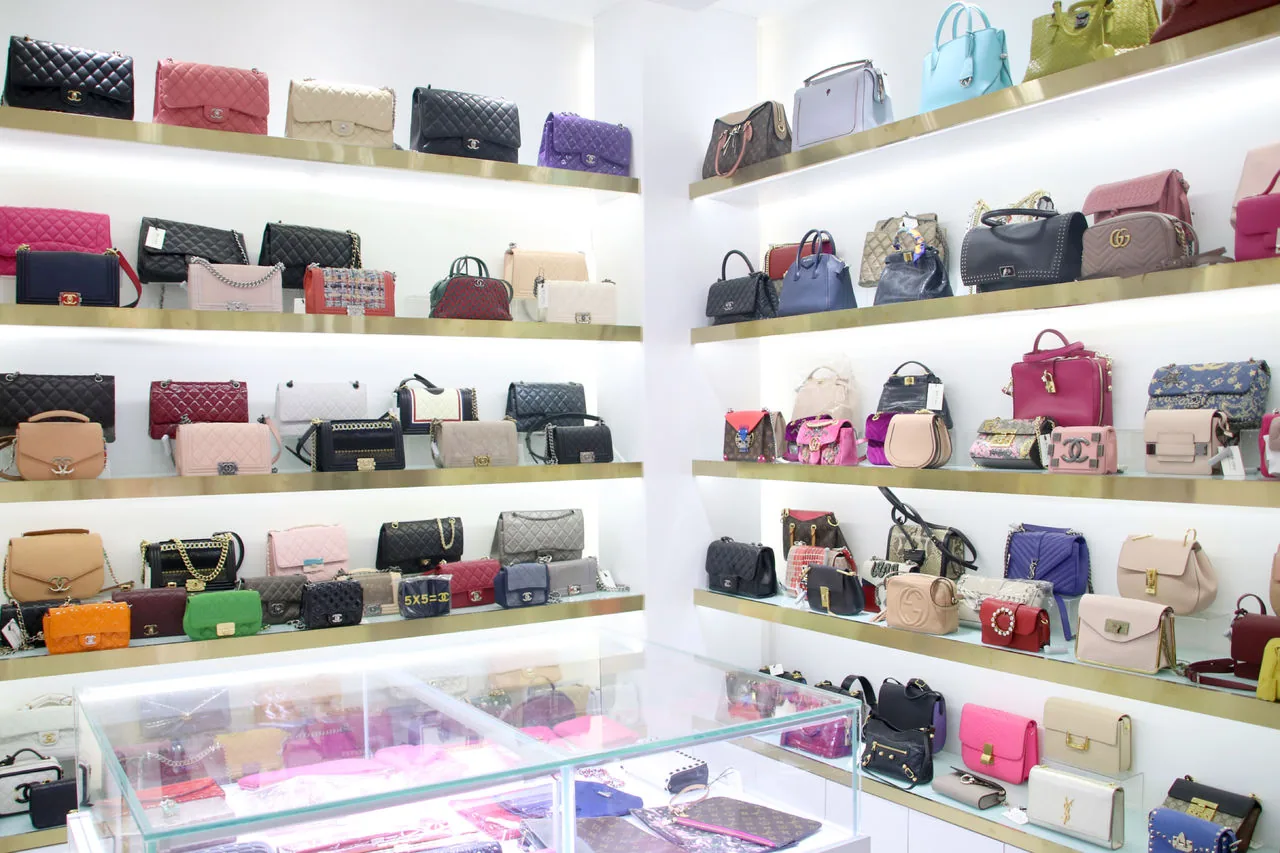
Start from the question you have
This page is a guide hub, not a single keyword landing page. Choose the cluster that matches your buying task, then move into the category, guide or RFQ path.
Compare the main bag type before writing a brief.
All custom bag categories Backpacks and laptop bags Tote and shopping bags Cooler and lunch bagsUnderstand paid samples, 500 pieces per SKU bulk MOQ and sample-fee credit rules.
Cost, MOQ and sample fee guide Sample preparation guide Cooperation termsPrepare supplier screening, RFQ details, sample review and factory communication.
Order custom bags from China Evaluate a bag manufacturer Review factory informationPlan product labels, carton labels, inserts, polybags and channel-specific packing notes.
Amazon and DTC packaging guide Ecommerce support Packaging optionsClarify logo methods, materials, structure and RFQ steps before sampling.
Customization service page Logo method guide Brief and tech pack guideReview fabric choices, trims, water-resistance wording and inspection checks.
Choose bag materials Trims and hardware Quality inspection checklistSampling experience · Australia
An Australian customer was not satisfied with the zipper on the first sample. After a second discussion, we switched to a better zipper and made another sample. The customer was satisfied and accepted the new sample.
The zipper on the first sample did not meet the customer's expectations.
After discussing the feedback, we used a better zipper for the second sample.
The customer was satisfied with the new sample and accepted it.
Start with one paid custom sample before committing to bulk production. Discuss any further sampling requirements and fees with us before work begins.
Material guide
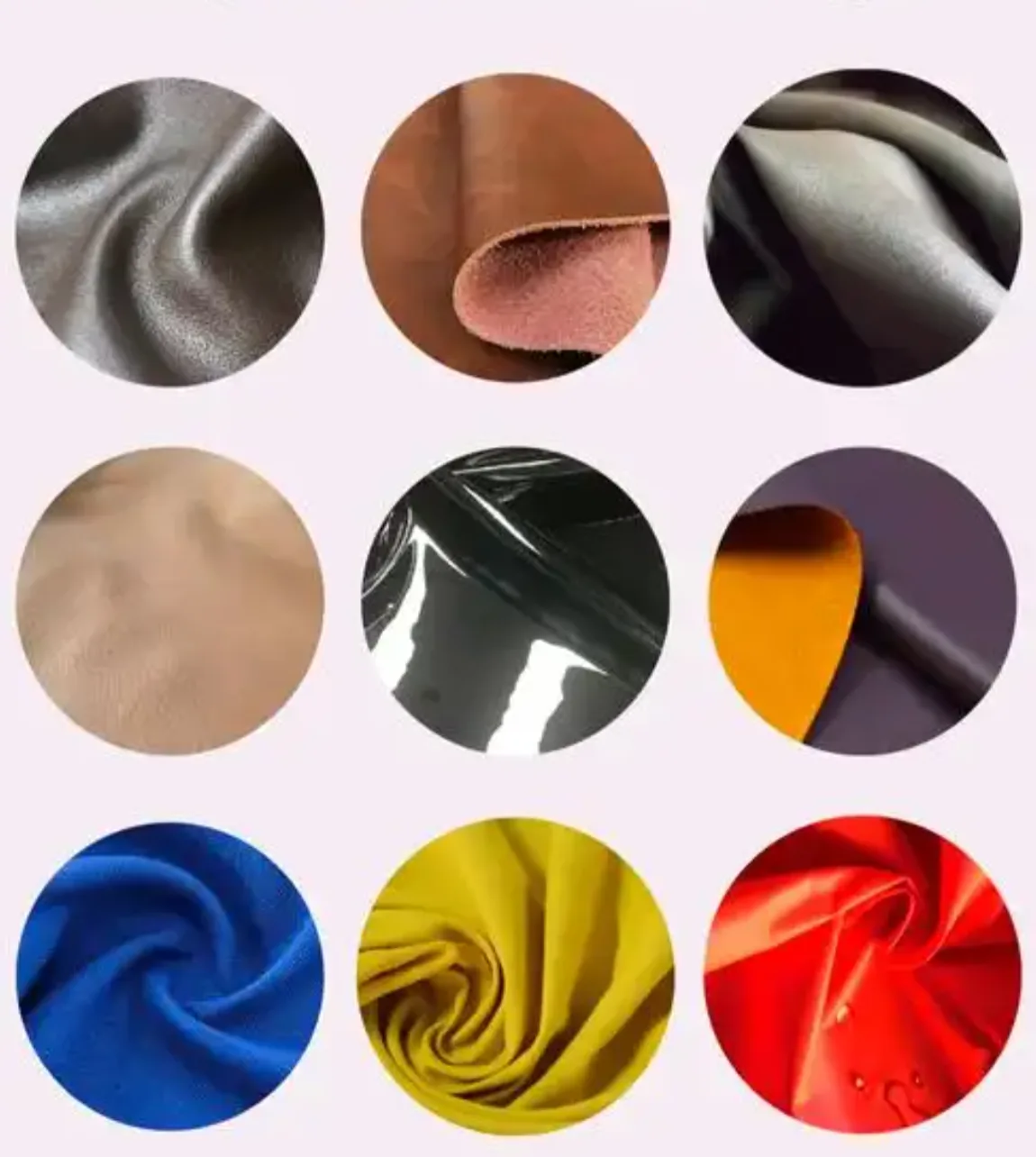
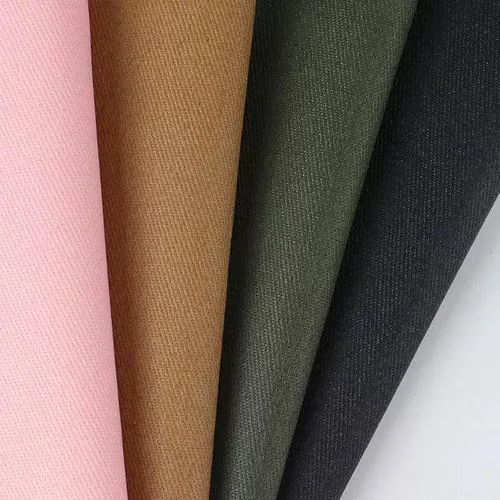
Compare the bag's use case, construction, logo method, target price and claim requirements before choosing a fabric name.
Project brief examples
These brief templates are planning examples, not additional customer case studies. Use them to prepare the details for sampling and quotation.
Purchasing FAQ
Commercial starting points are useful, but the quote still depends on material, size, quantity, logo, packaging and target channel.
Guide topics
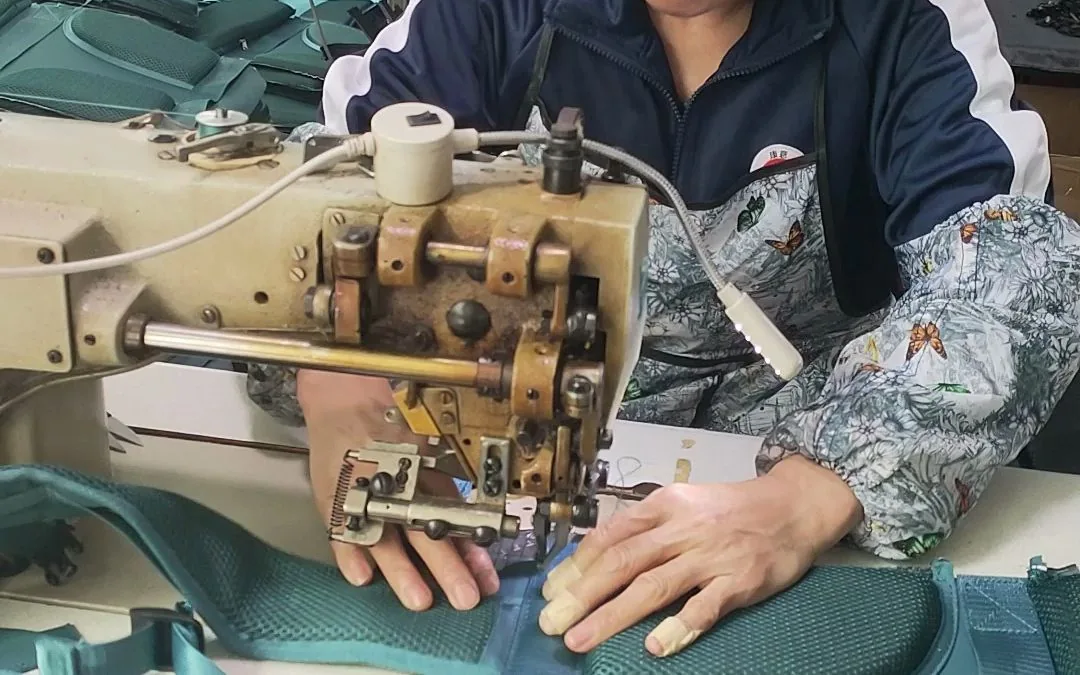
Each guide topic connects a sourcing question with relevant reference styles, material photos or quote-preparation paths.
Sourcing guide
Move from reference style, customization need, sample review and packaging notes into a clearer RFQ.
Material guide
Compare the bag's use, construction, logo method, target price and claim evidence before choosing a fabric name.
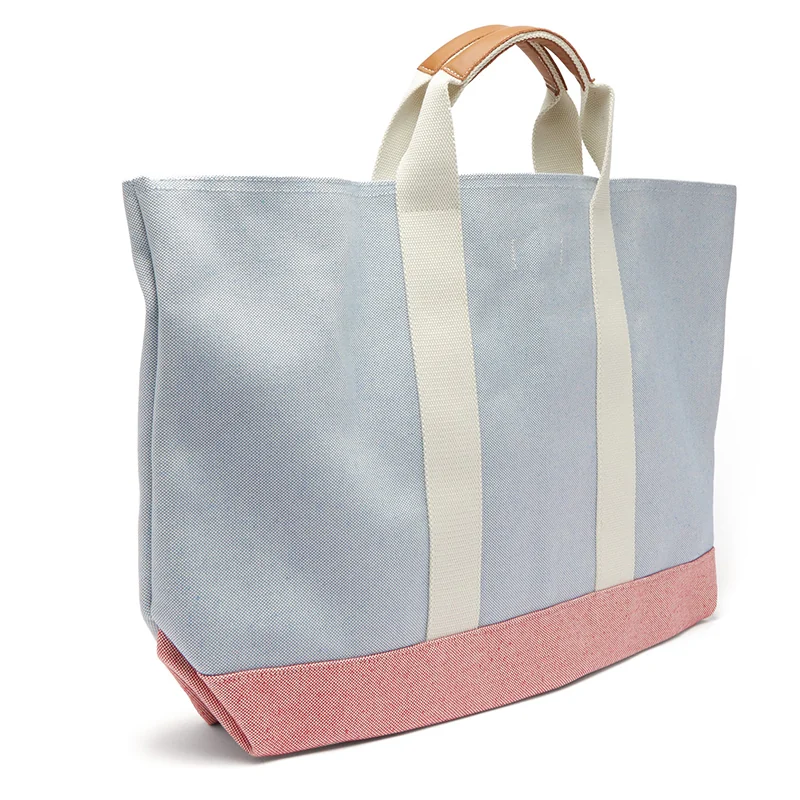
Tote guide
Match event, retail, grocery, foldable or outdoor tote use cases with materials that can be sampled and quoted clearly.
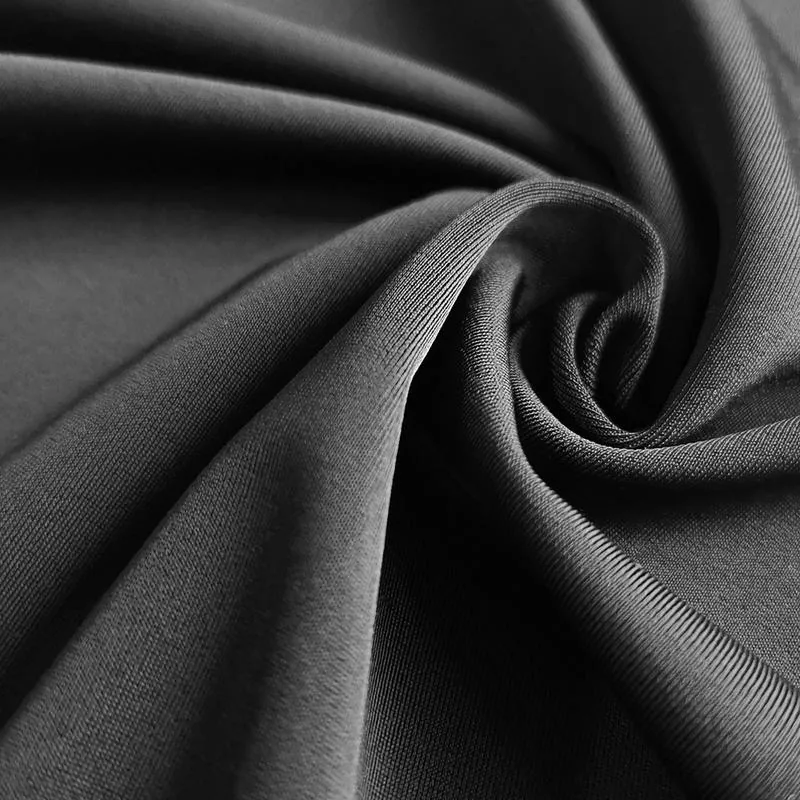
Material comparison
Use the material guide to turn fabric choices into sample notes: weave, coating, lining, weight, handle feel and print details.
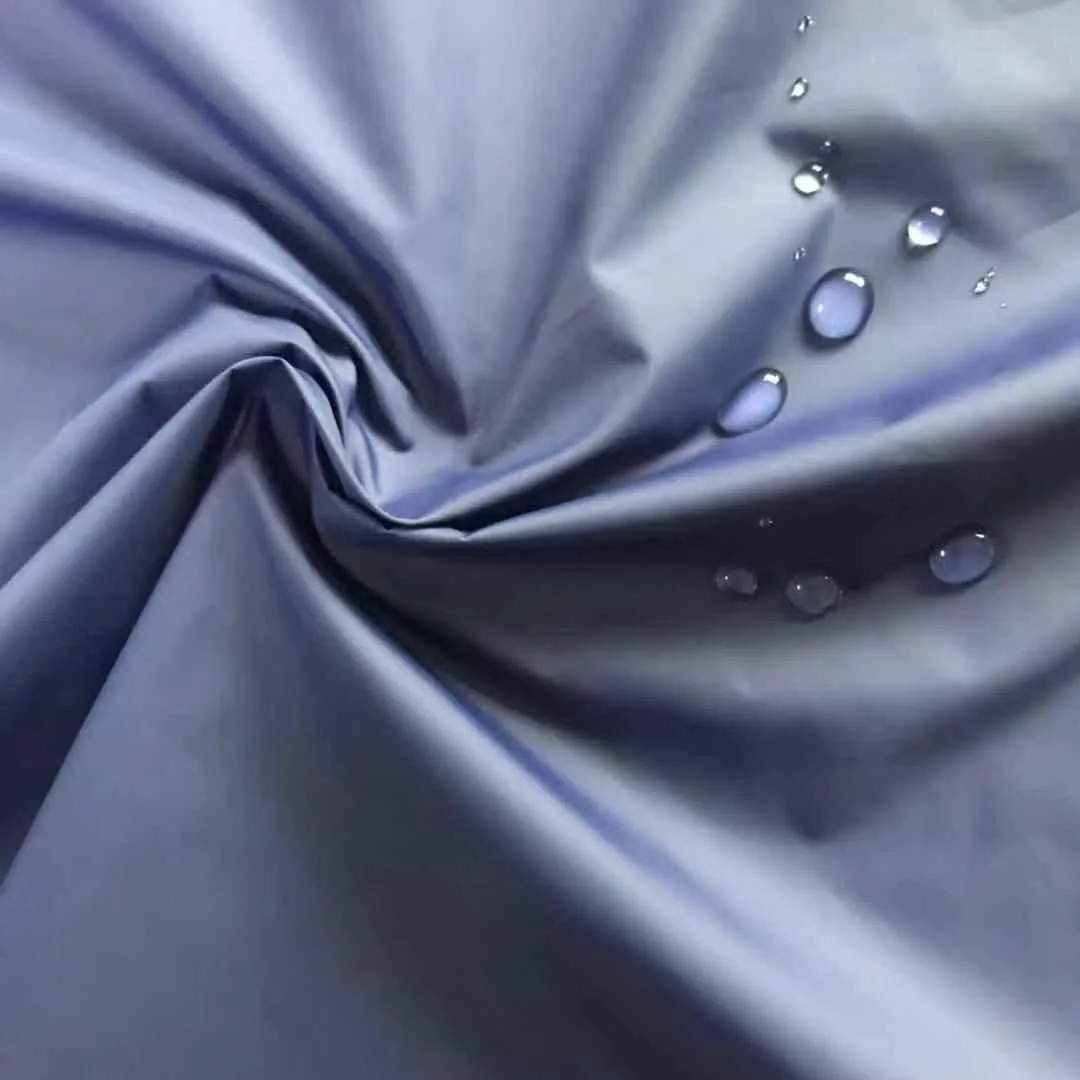
Claim boundary
Separate fabric finish, coating, seams, zippers and finished-bag test needs before using public water-resistance wording.
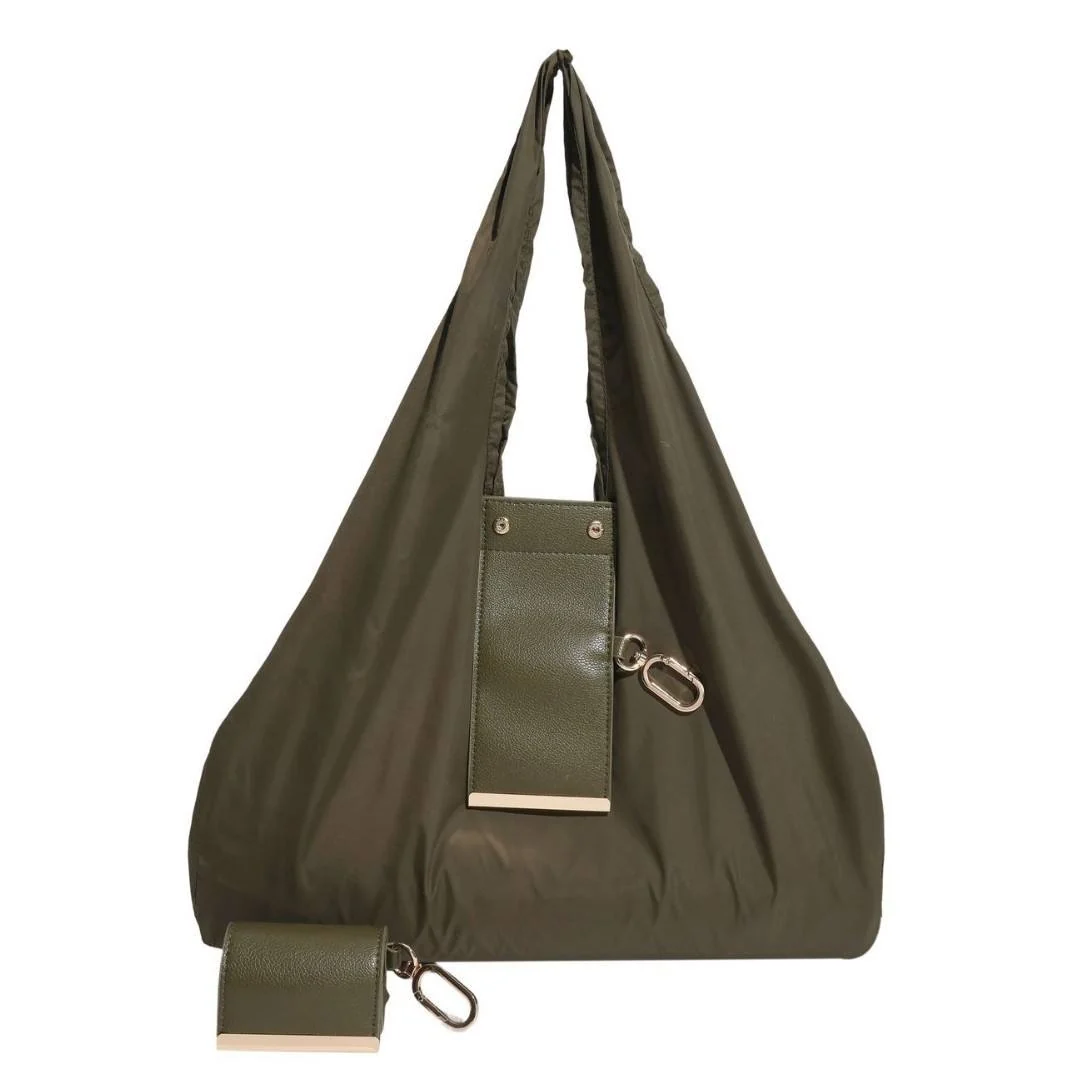
Cost guide
Cost depends on material, structure, logo method, packing, quantity, target market and delivery route.
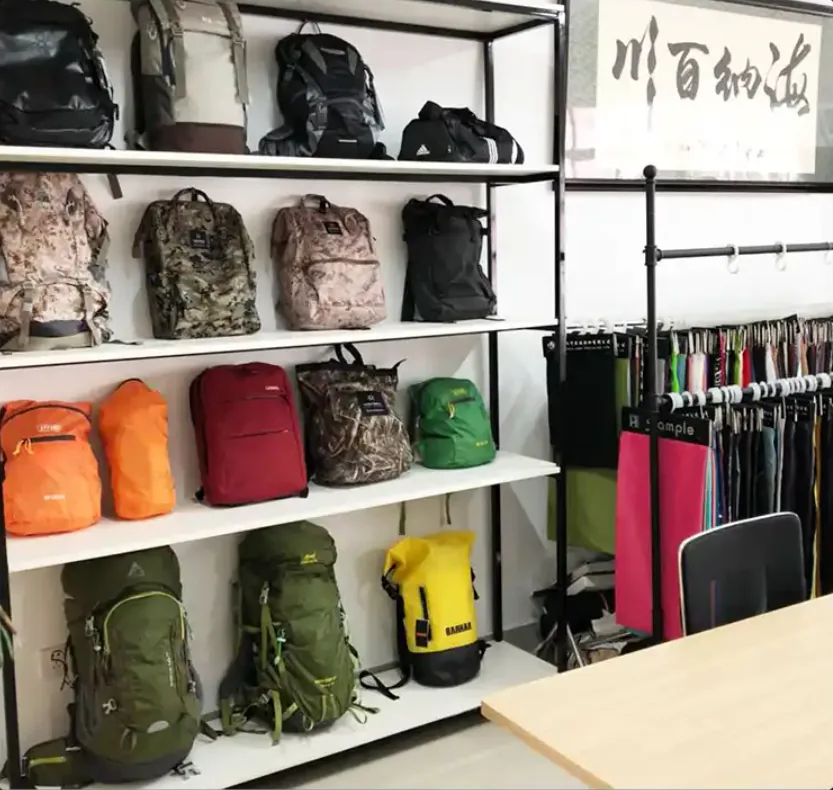
Sampling guide
A useful sample request should include target use, size, material, logo, reference style, packaging and market notes.
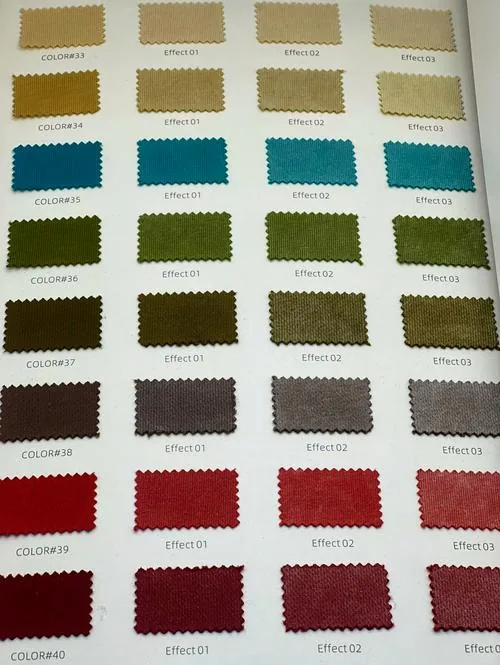
Brief guide
Give the quotation team enough detail to review structure, materials, artwork, packaging and channel requirements together.
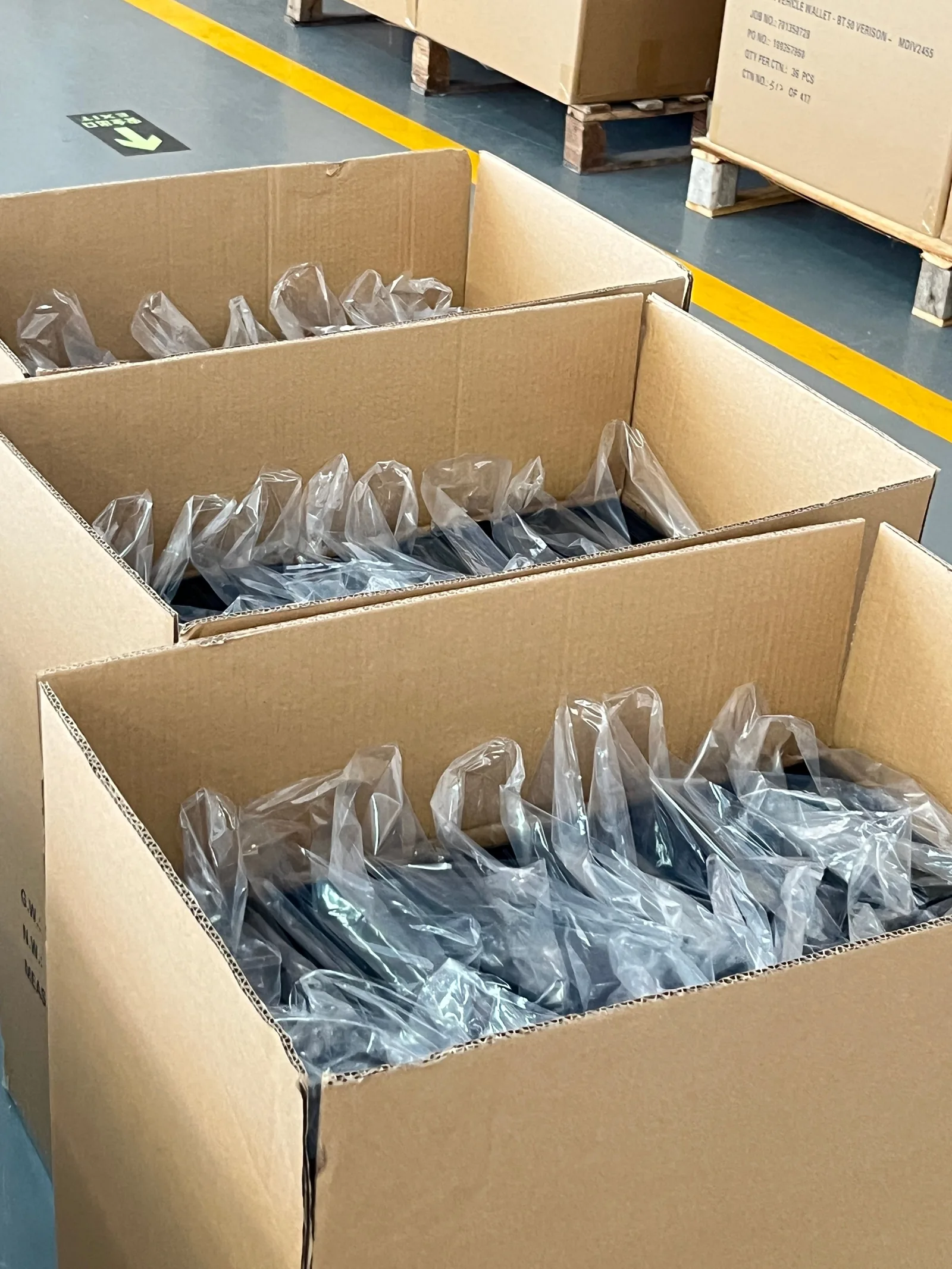
Packaging guide
Prepare product labels, carton labels, packing method, shipment route and any platform documents before final quotation.
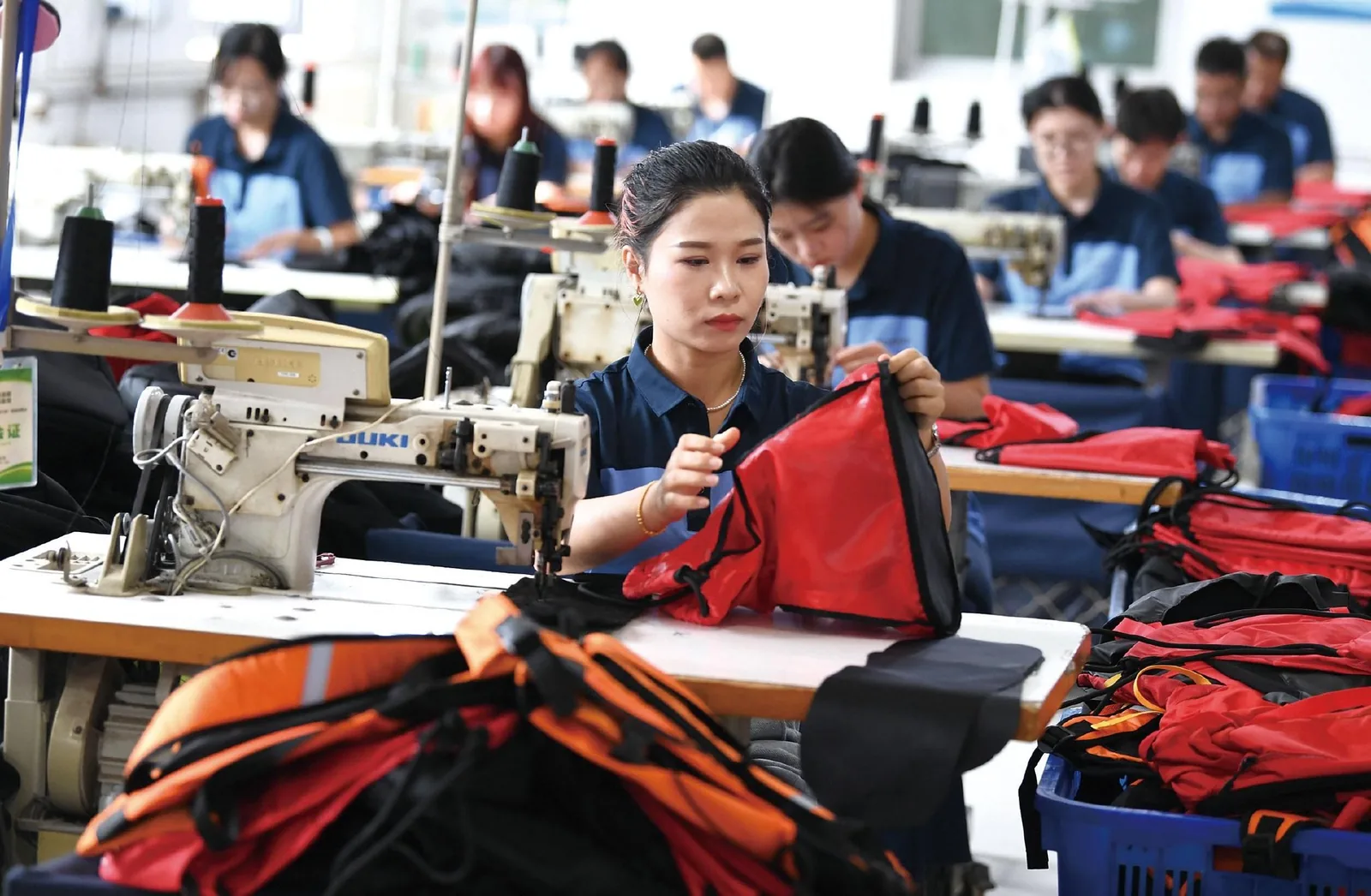
Manufacturer guide
A good manufacturer evaluation starts with whether the supplier can discuss your bag type, customization route, sample path, quality checks, packaging needs and communication process clearly.
Tote brief guide
A tote brief should explain the selling or use scenario first, then define size, handle, material, logo, pocket, packing and quantity needs.
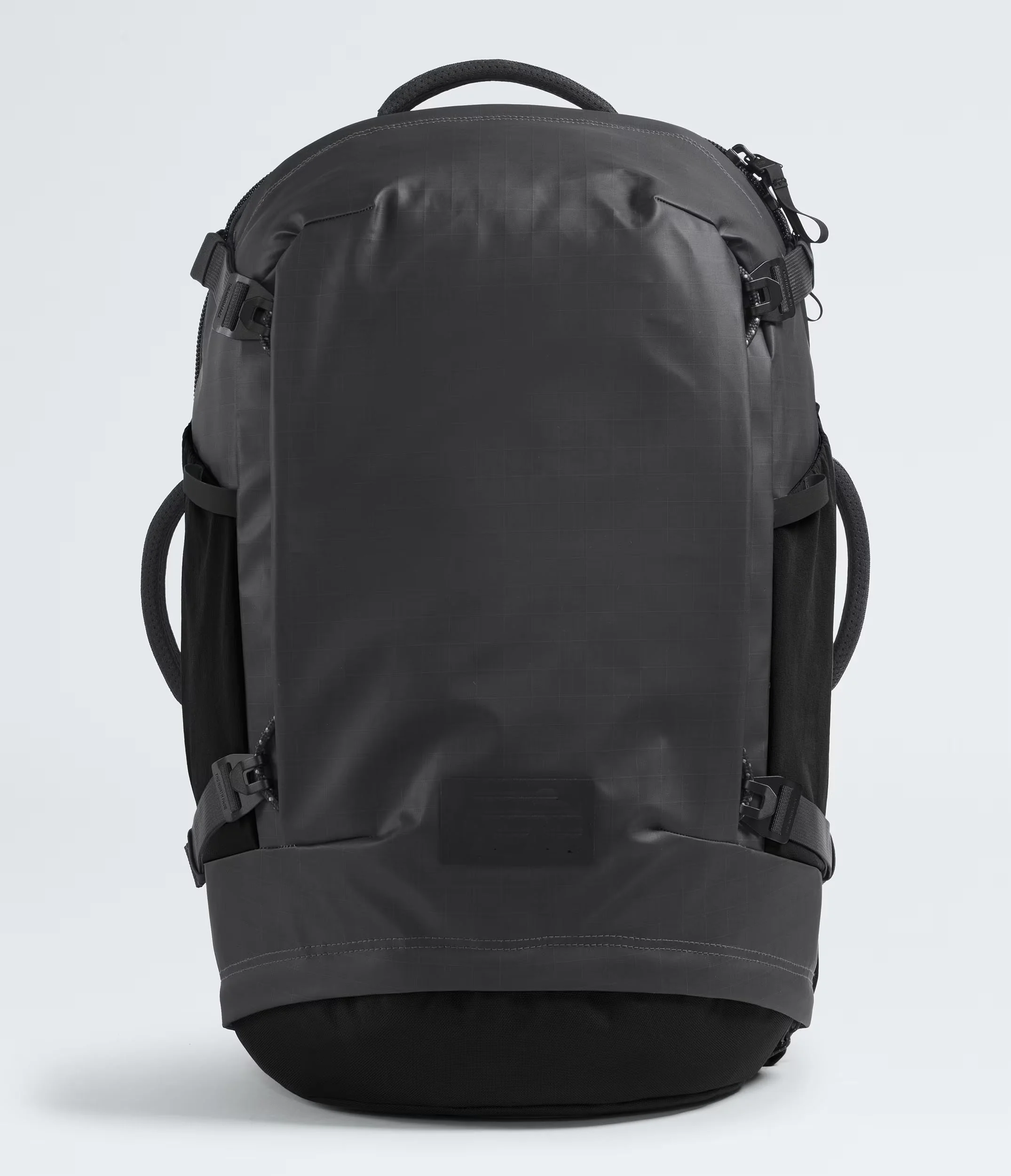
Backpack brief guide
A backpack brief needs more structure detail than a simple tote. Buyers should define device fit, pocket layout, padding, straps, zipper position, material direction and target use.
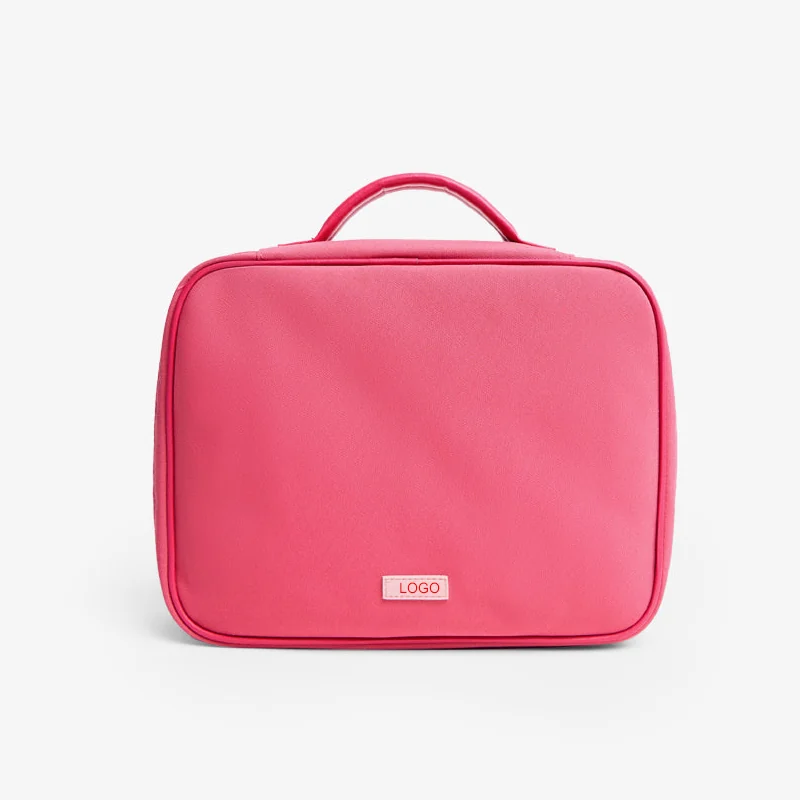
Cosmetic bag guide
Cosmetic and toiletry bags often depend on lining, zipper behavior, surface finish, odor, packing and claim wording as much as outside shape.
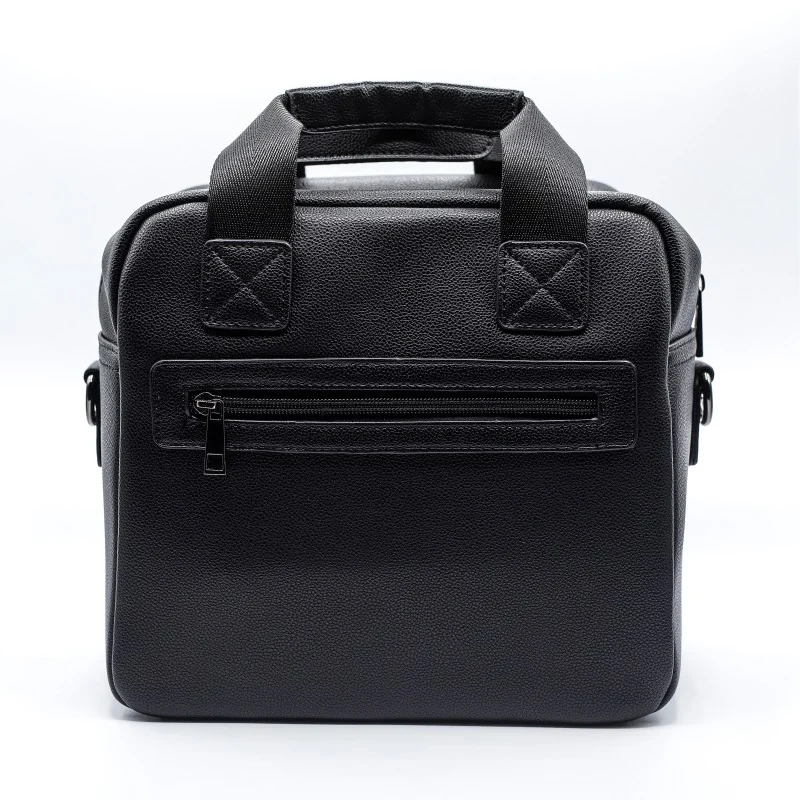
Cooler bag guide
A cooler or lunch bag brief should define contents, carry time expectation, lining direction, insulation discussion, opening style, cleaning need, label and packaging details.
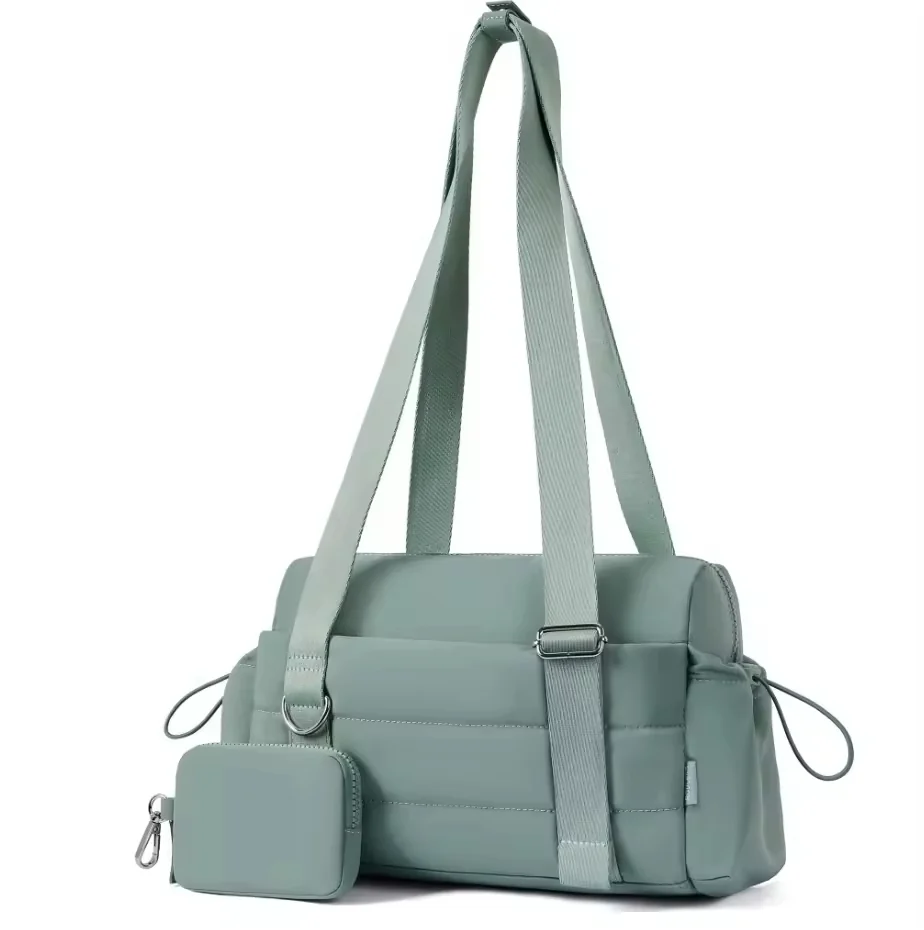
Travel bag guide
For travel and duffel bags, start with capacity, carry mode, compartments, straps, zippers, wet pockets, material direction and packing needs.
Logo method guide
The right logo method depends on material surface, artwork, color count, order quantity, position, budget, durability expectation and sample approval.
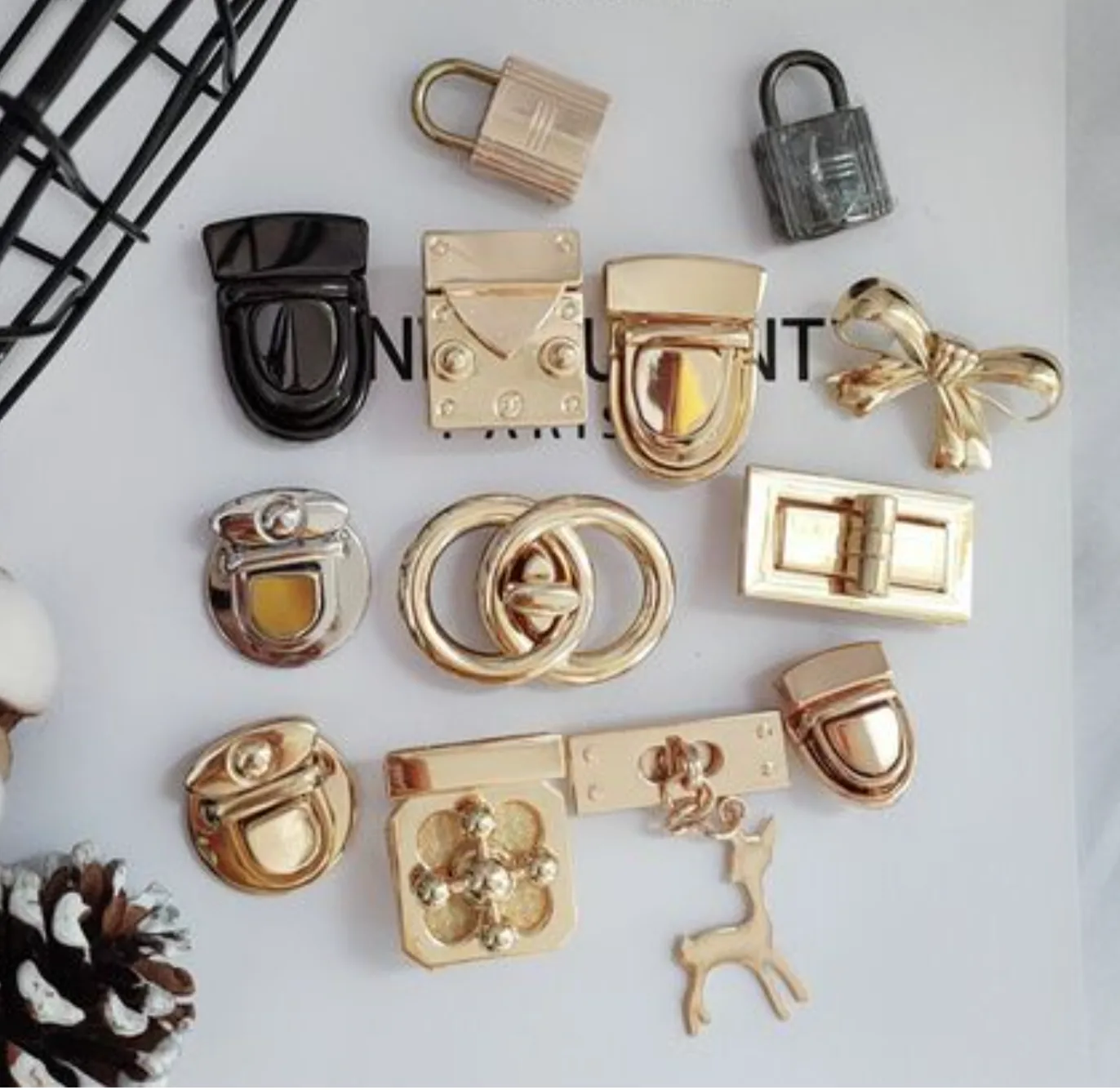
Trim guide
Trims and hardware can change function, appearance, cost and sampling complexity. A useful brief names the visible details and the stress points that matter.
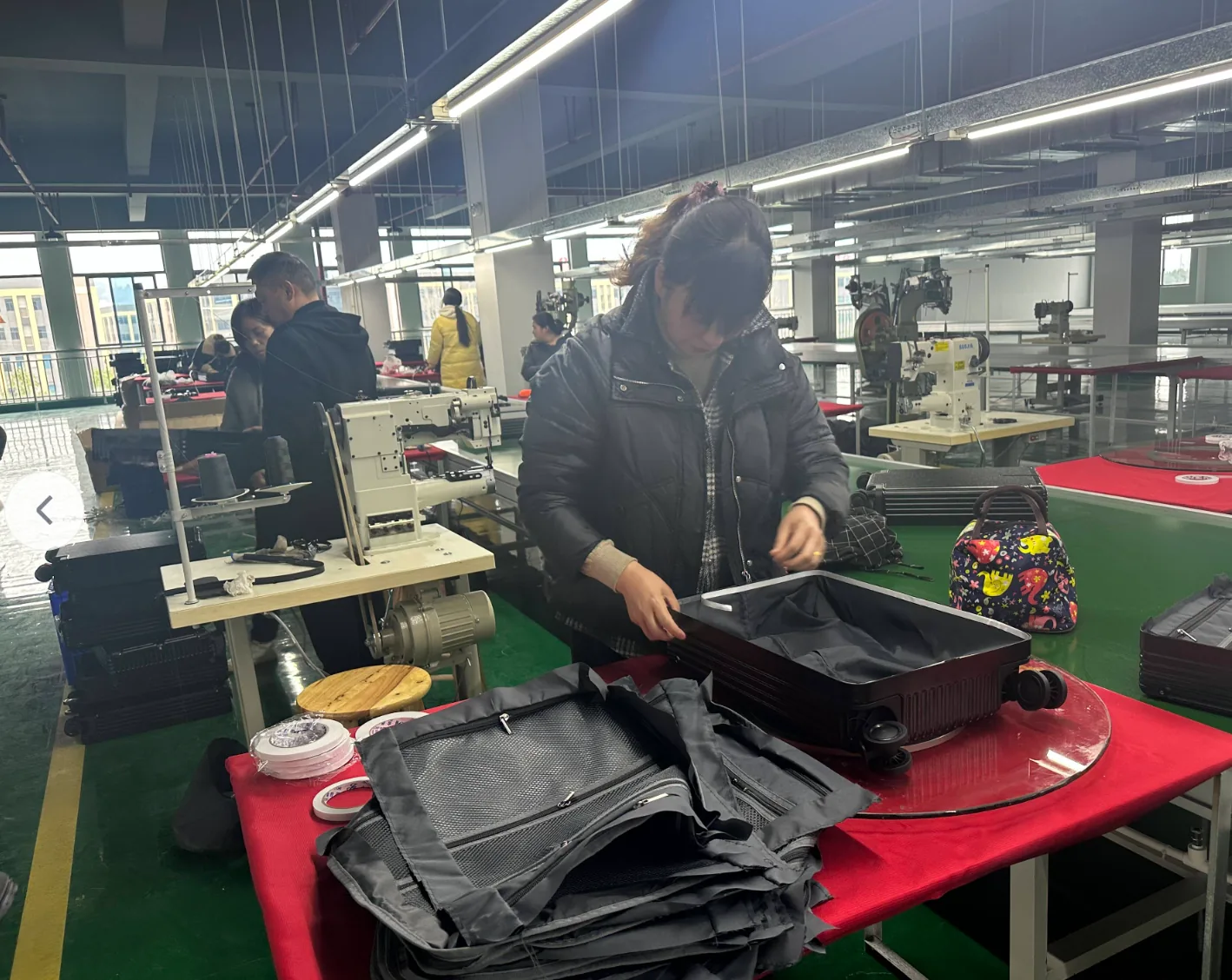
Quality checklist
A buyer-side quality checklist helps turn subjective approval into specific checks for sample confirmation, bulk production preparation and shipment review.
Shopping bag guide
For reusable shopping bags, start with size, handles, material direction, print method, folding or packing method, quantity range and any claim wording.