
 Custom bag partner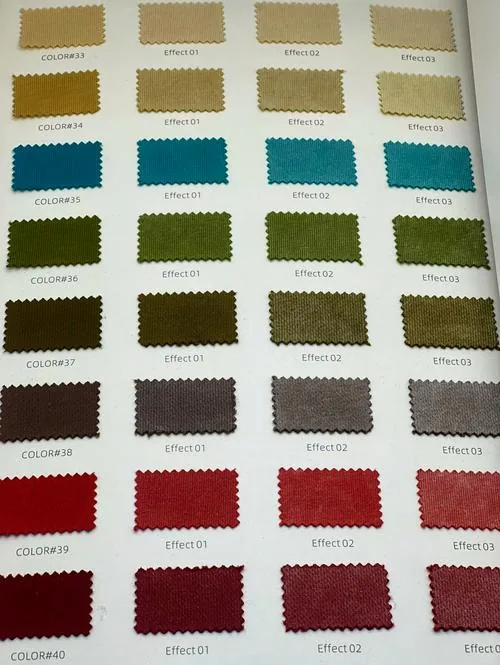
Answer first
Your First Brief Does Not Need To Be Perfect
You do not need to arrive with a finished engineering document. If you have a reference photo, a product link, a rough sketch or even a clear use case, that is already a workable starting point.
From there, we can help separate what is clear enough for an early review from what still needs confirmation. For example, a reference photo may tell us the bag shape, but it may not tell us fabric weight, lining, logo method, packing style or the quantity range.
When those details are missing, we can still discuss the likely direction. The quote or sample timeline may simply need to stay as a planning range until the key decisions are confirmed.
Helpful starting point: Tell us what is fixed, what is flexible and where you want advice. That makes the first reply more useful than a fast price based on hidden assumptions.
Starting point
What Can Replace A Full Tech Pack At The First Inquiry?
Different buyers enter custom bag development at different levels of readiness. A sourcing team launching a retail tote, a brand testing a cosmetic pouch and a distributor replacing an existing backpack do not need to send the same first file.
If your material is incomplete, that does not mean the discussion has to stop. It only means we need to be clear about what can be reviewed now and what may create a later checkpoint.
| Starting point | What you can share first | How we can use it |
|---|---|---|
| Early idea | Bag type, intended user, carry method, target channel and rough size. | We can usually tell whether the idea is closer to a stock-like base, a modified style or new development. |
| Reference photo or product link | Images or links showing the closest shape, pocket layout, material feel or logo position. | We can use the reference to ask focused questions instead of guessing from a product name. |
| Physical sample | Notes on what should stay the same, what should change and which details matter most. | We can review structure, material, trims and finishing with fewer assumptions. |
| Tech pack | Dimensions, panel details, construction notes, BOM, artwork and packaging requirements. | We can move faster on quotation and sampling, while still checking material and production feasibility. |
Specs
Information That Helps Us Give A More Useful Reply
A quotation becomes more useful when product design, order plan and packaging requirements are separated. If they are mixed together, the visible bag may look clear while the real cost driver is still hidden, such as special packing, extra lining, logo setup or a fixed launch date.
Product shape and use
You can share bag type, size, capacity, target user, carry method, pocket layout and any reference style. If size is not final, a closest reference size is still useful.
Material and trim
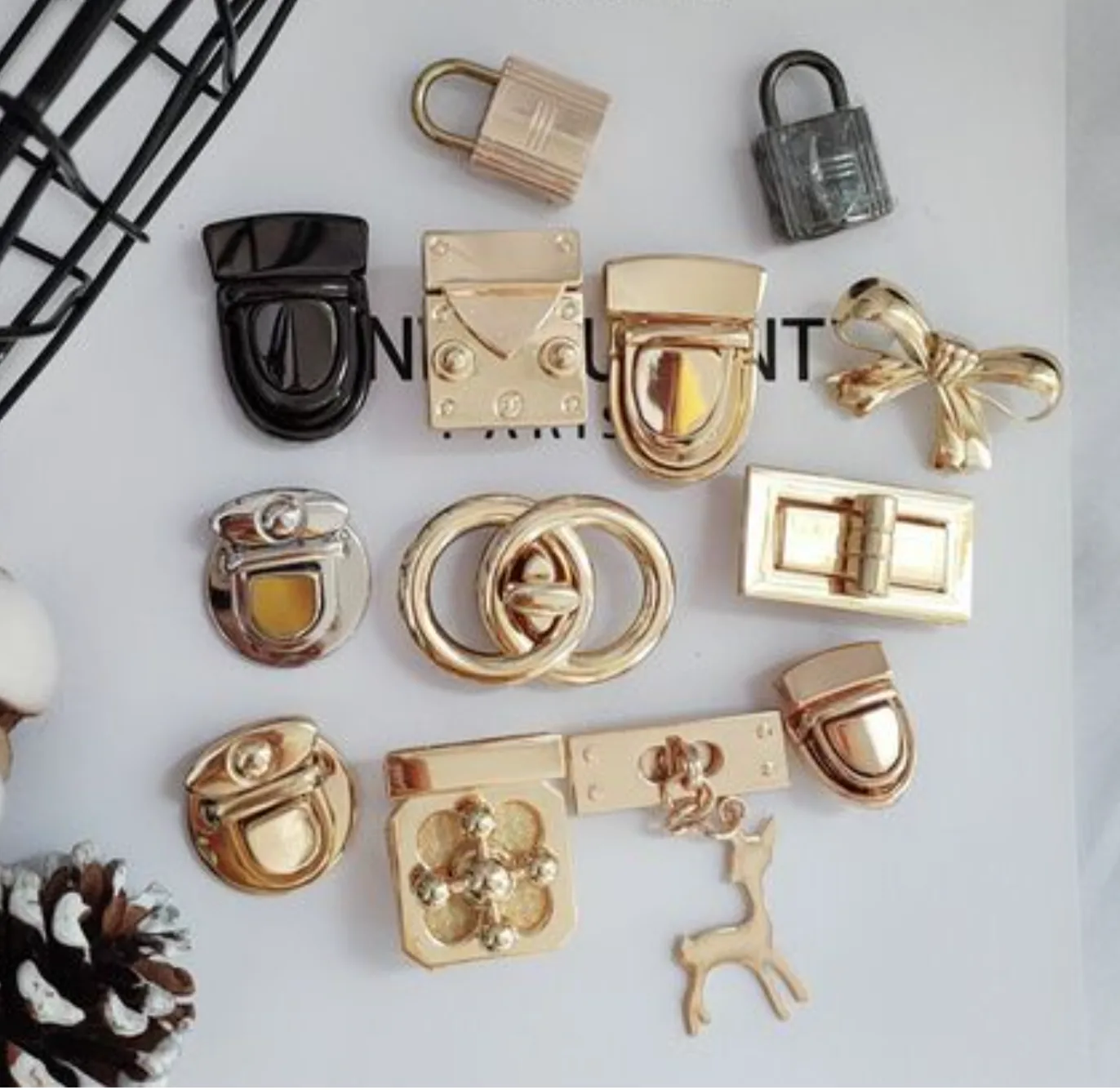
You can share main fabric, lining, webbing, zipper, hardware, color direction and any special feel or surface requirement. If the material is open, we can review likely options.
Branding and artwork
You can share logo file, method preference, position, size and color. If the method is undecided, we can help compare which options fit the surface and quantity.
Commercial plan
You can share sample need, quantity range, target launch timing, packaging, labels, barcodes and delivery preparation requirements. These details often decide whether the quote can be firm or only directional.
Files
If Files Are Not Ready Yet
Artwork and drawing files are useful because they reduce ambiguity, but they do not have to be perfect before the first discussion. If files are not ready, send the best available reference and describe the required result in plain language.
For logo work, vector artwork is usually easier to review than a low-resolution screenshot. If you only have a screenshot now, we can still discuss placement and method, but final approval may wait until the correct artwork is available.
For dimensions, mark the finished size if you have it. If not, send the object the bag needs to hold, such as device size, bottle size, makeup palette size, laptop size or packaging insert size. That helps us understand the fit requirement before the pattern is fixed.
Where things may pause: final quotation, sample approval or production timing can be held until artwork, dimensions, material direction and packing requirements are clear enough to review.
Product example
A Product Link Can Make The Conversation Easier
A product link gives us a concrete starting point. It does not mean you need to copy that product exactly. It simply lets you say, "this is close, but I want to change these details."
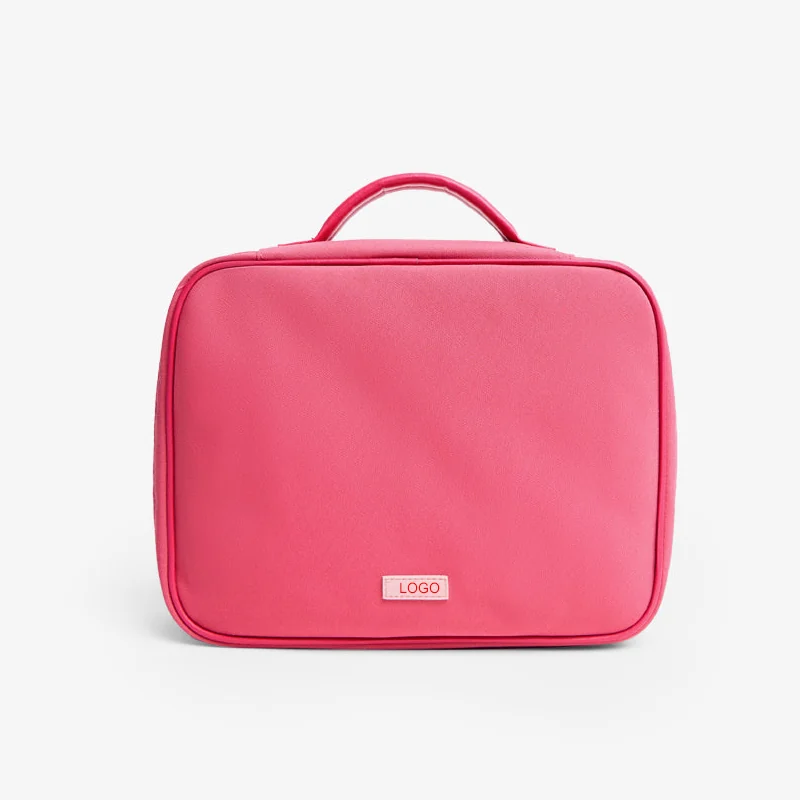 Cosmetic case reference
Share this if body shape, lining, zipper quality, surface material, logo position or compact packaging notes are close to your project.
Cosmetic case reference
Share this if body shape, lining, zipper quality, surface material, logo position or compact packaging notes are close to your project.
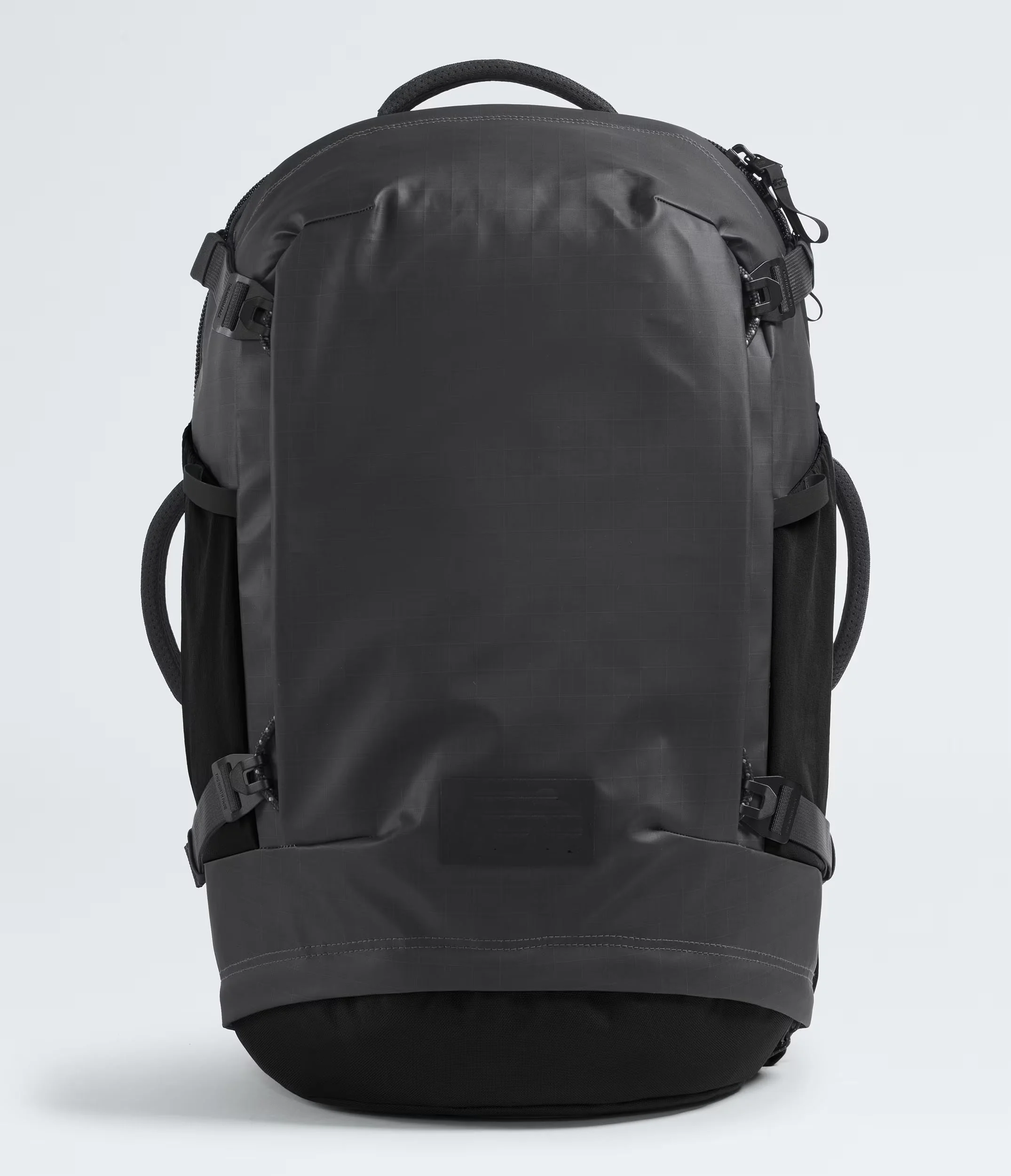 Backpack brief reference
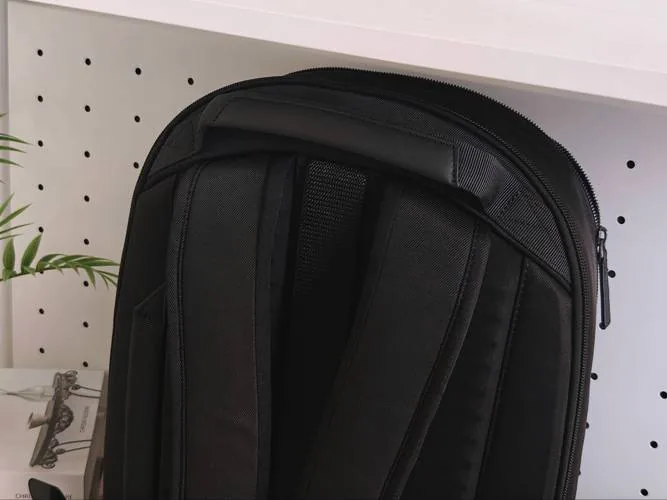
Share this if pocket layout, padding, zipper placement, strap structure or laptop compartment sizing needs discussion.
Backpack brief reference
Share this if pocket layout, padding, zipper placement, strap structure or laptop compartment sizing needs discussion.
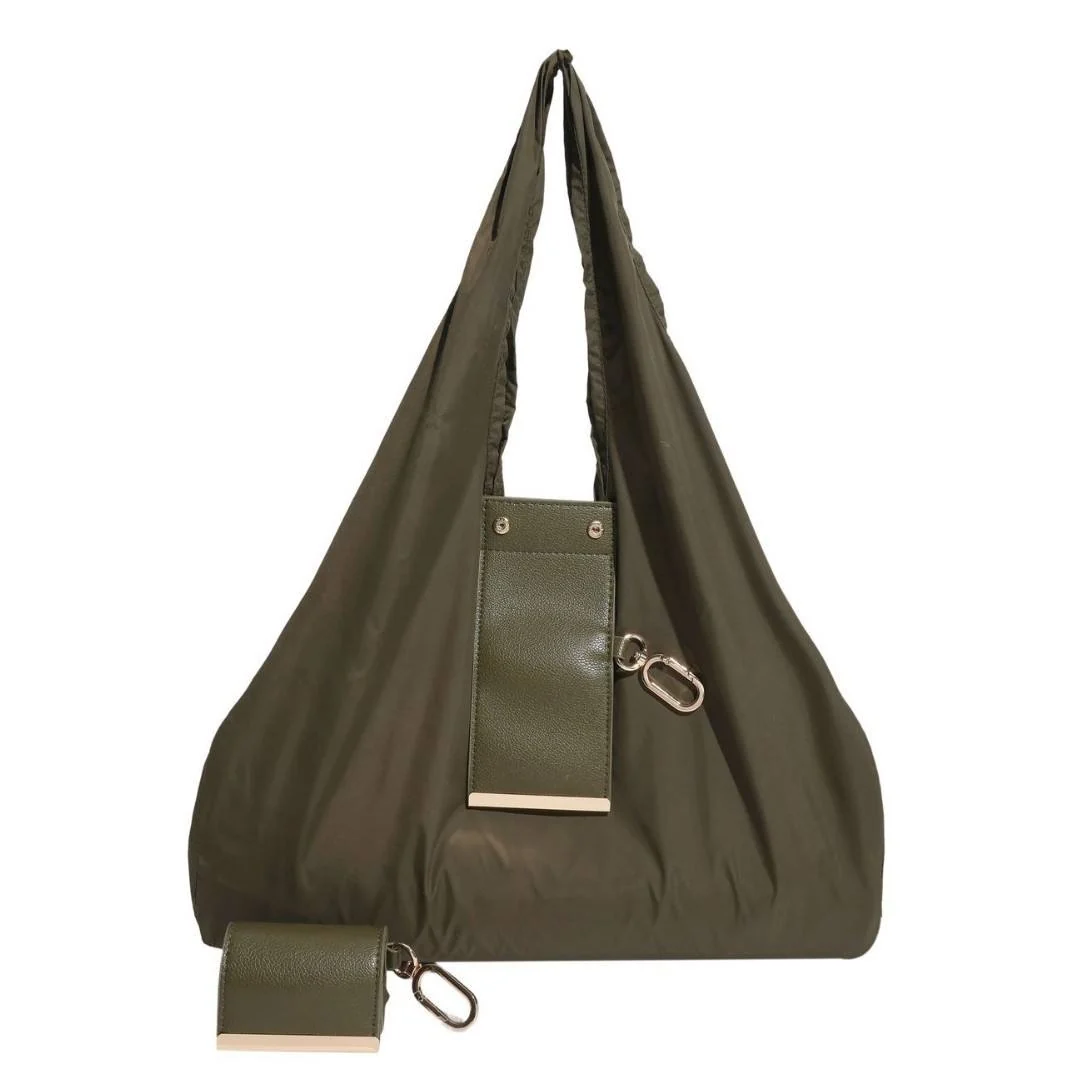 Tote brief reference
Share this if print area, handle length, folding behavior, weight target or packing volume is part of the brief.
Tote brief reference
Share this if print area, handle length, folding behavior, weight target or packing volume is part of the brief.
RFQ checklist
A Practical First Message Checklist
The first message can be short. The goal is to give us enough context to ask useful follow-up questions, not to force you to finish every detail before talking.
- Bag type and intended use
- Reference photos, product links, sketches, physical sample notes or tech pack
- Finished size, capacity and key structure requirements
- Main material, lining, color and trim direction
- Logo artwork, logo method, position and size
- Target quantity range and sample need
- Expected launch or delivery timing
- Packaging, label, barcode or carton requirements
- Testing, claim wording or target-market requirements that need review
- Which details are fixed and which details can be adjusted
Testing, platform or compliance topics can be listed for review, but a brief is not engineering certification, platform approval, legal advice or final compliance approval.
Next step
Let Us Help Turn The Brief Into A Workable Next Step
The goal is not to send the longest brief. The goal is to help us reply with the right questions, the closest product path and the biggest cost or sample risks before development starts.