
 Custom bag partner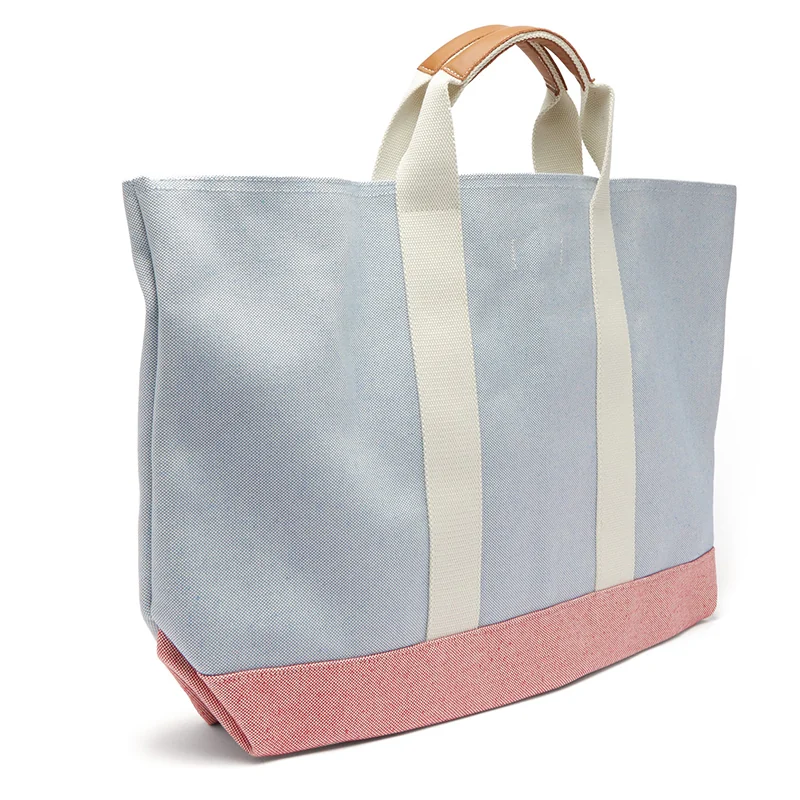
Answer first
The Piece Between Front and Back
In bag construction, a gusset is a joining piece that connects front and back sections. It often forms a visible side of the bag and may flex as the bag is used. Changing its width changes the profile; the word “gusset” alone does not specify a particular depth, volume, seam or pattern.
Before asking for “a wider gusset,” show the supplier which side or joining area you mean. A side view and a marked sample are more useful than the term alone.
Not one fixed pattern
Where Top, Bottom and Side Can Differ
A gusset does not have to be the same width all the way down. A bag-pattern example in the cited book uses a trapezoid that is wider at the base and narrower near the opening. That example explains why a single “gusset width” can leave the final shape unclear; it is not a rule that every bag should taper in that direction.
The book also sketches a simple rectangular bag with front and rear panels, two gussets and a base. Other designs may combine panels or use more or fewer pieces. Confirm the intended front-to-side connection and base construction for your actual style, rather than assuming a universal five-piece pattern.
Measurement brief
How Should a Gusseted Bag Be Measured?
There is no single finished-bag gusset measurement that applies to every shape. For a quote or sample, agree the points and condition of measurement with the supplier before either side records numbers. The following is a buyer communication checklist, not a formula or a production pattern from the cited book.
- Mark the overall bag size: show which finished external width, height and front-to-back depth you mean. If usable inside space matters, request that separately rather than treating outside depth as capacity.
- Locate the gusset: mark the side or joining piece in a front, side and base view. Record its width at the opening and at the base when they differ, and note curves, folds or a separate bottom panel.
- Agree the measuring condition: state whether the bag is laid flat, opened into its intended shape, or measured from an approved physical sample. Identify seam-to-seam points and whether seam allowances belong to the flat pattern or the finished measurement.
- Check the sample: compare the supplier's marked drawing with the actual prototype at the opening, sides and base. Review how seams and edge finishing affect the final silhouette.
A useful request: “Please mark the side gusset and base on front, side and bottom views. Show finished top width, bottom width, overall depth and the points used to measure each on the opened sample.”
Shape reference
Use the Photo to Discuss the Silhouette
The beach tote reference shows a visible front, side silhouette and base. Its photo can help point to the area you want to discuss, but it does not reveal the internal pattern, exact gusset measurement, usable capacity or load rating. Ask for a marked drawing and sample for your own design.
Our tote brief covers wider design inputs, while the shopping-bag brief covers use and material questions. This page answers the narrower gusset-structure and measurement question.
Source and limits
What the Construction Source Supports
Ann Saunders, Design, Manufacture and Sell Your Bag Collection (first published 2024), PDF p. 190, describes gussets joining the front and back and varying in width to change bag shape. PDF p. 211 gives one trapezoid pattern example with separate top and base widths. PDF p. 214 uses five panels for a simple rectangular bag and explicitly notes that other shapes may use more or fewer. The measurement checklist above is editorial advice for agreeing an actual brief; these pages do not provide a universal formula, capacity or load result, or a finished production pattern.