
 Custom bag partner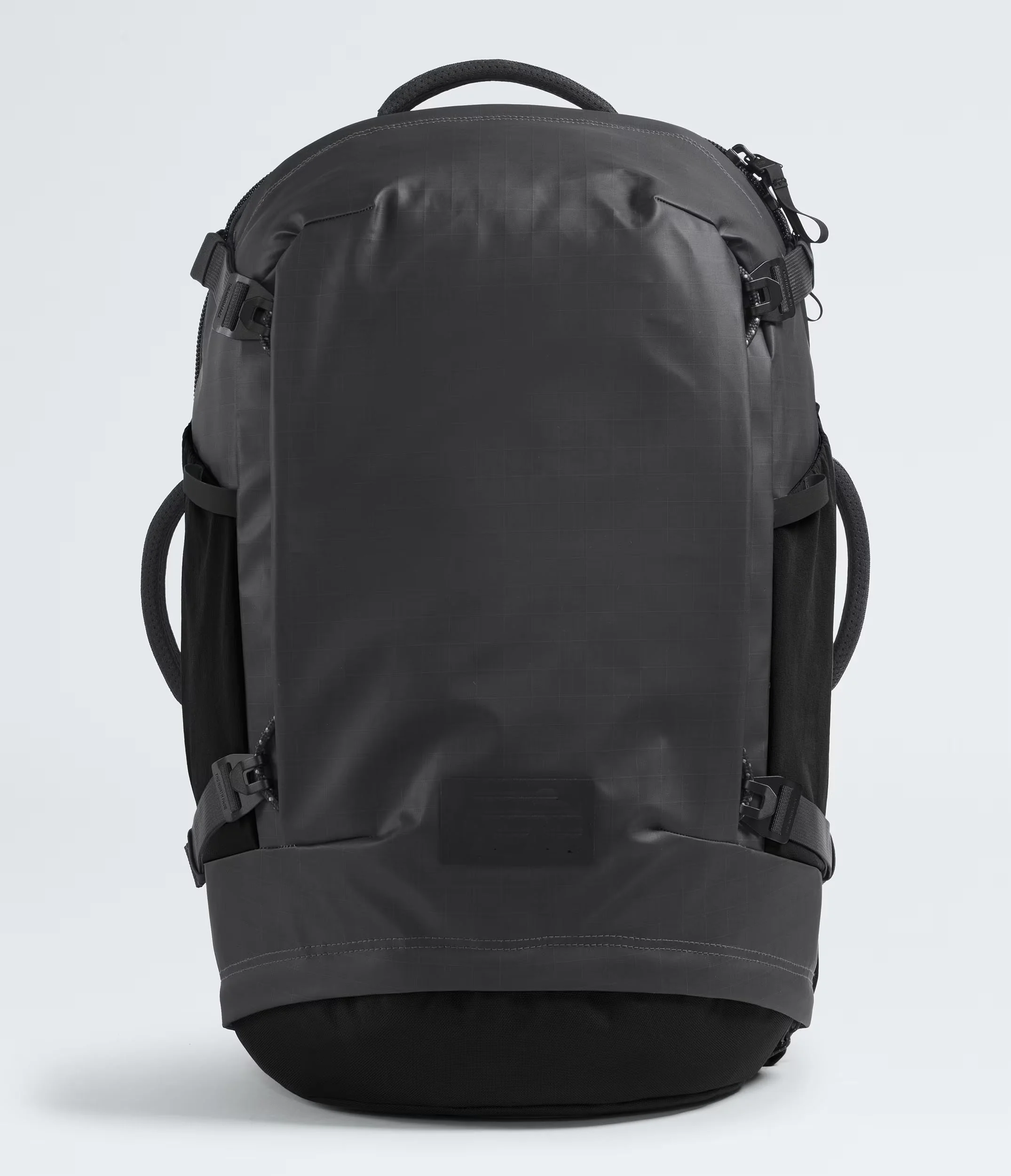
Compare Evidence, Not a Label
Ask what material or article is proposed, where its source is expected to be stable, how it works in the intended construction and what claim documentation is available. Treat “recycled”, “upcycled” and “bonded” as terms that need project-specific evidence, not conclusions.
A material can affect hand, processing, support needs, supply continuity, cleaning and the way the bag is assembled. The name alone does not establish suitability or an environmental outcome.
Use a Short Project Comparison
Compare each option with the same questions so the decision is visible: source and continuity, proposed construction and sample feel, processing compatibility, layers and joins, required claim documents, and market or end-of-use questions that remain open.
- Record the proposed material or article and source continuity question.
- Ask how it behaves in the proposed construction and sample.
- Note processing, support, coating or cleaning questions to resolve.
- Map layers, trims and joins that affect disassembly or recovery questions.
- List the exact claim wording and documents required before approval.
- Keep regional recovery routes, certifications and current regulations as separate verification work.
Invite a Practical Material Discussion
You can say: “Please compare these options against the intended construction, sample feel, supply continuity and the documents needed for any claim. Mark what is confirmed and what still needs evidence.”
This guide is procurement research. It does not recommend a retail product or make environmental, certification, recycled-content, recyclability or local recovery claims.
Use the Bag Image to Mark Construction Questions
This image can help identify panels, handles, pockets and visible joins that need a material brief.
It does not prove the material identity, recycled content, certification, environmental impact, recyclability, disposal route or recovery outcome of the product.
Source and Limits
MAT-015 notes that recycled, upcycled and bonded material options can involve supply, processing, hand, support and claim-document questions. SUS-002 notes that multiple materials and joins can complicate disassembly and recovery. These are comparison prompts, not proof of a material’s impact, content, certification or recyclability in a current market.