
 Custom bag partner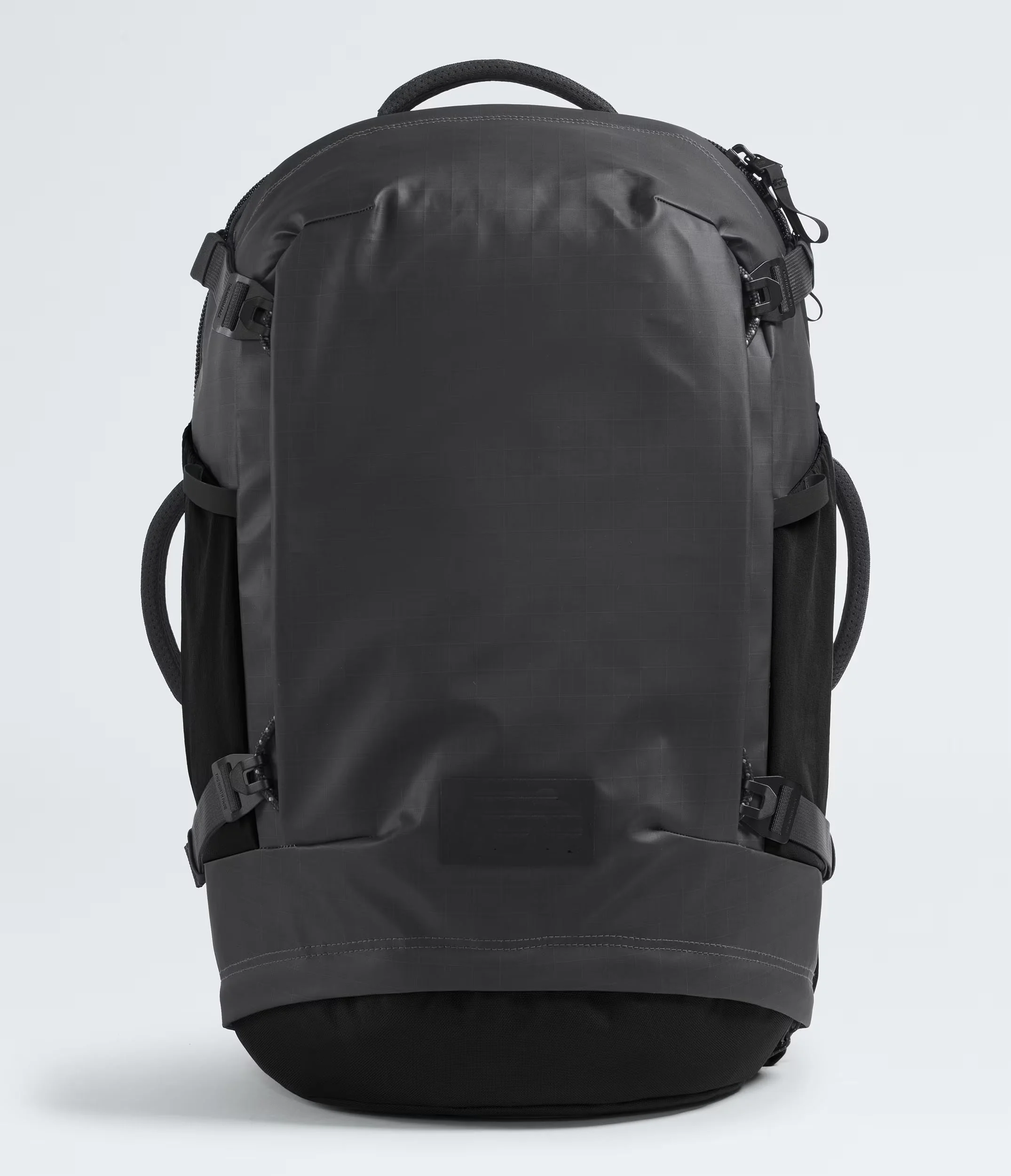
Answer first
A Strip of Textile, Not a Complete Strap
When a bag brief calls for webbing, it should identify the narrow strip being supplied and where it will be used. A woven narrow fabric interlaces yarns across its width; a knitted narrow fabric is built from connected loops. These are construction descriptions, not grades of quality. Ask the supplier to name the actual strip and show a swatch rather than assuming every band-shaped part is the same material.
A finished shoulder strap may also include a slider, buckle, padding, folded ends and stitching into the bag. The strip alone cannot tell you how that assembly will fit, feel or hold up in use. For the wider selection of zippers, buckles, labels and other components, see our trims and hardware guide.
Similar-looking strips
Webbing, Braid and Binding Are Not Interchangeable Names
Braid is made by interlacing yarns diagonally. A bias binding strip starts as wider cloth, cut on the bias and folded to cover an edge. Both may look like narrow bands, but they are not the same construction as a purpose-made narrow woven or knitted strip. Some narrow thermoplastic strips are also cut from wider fabric and sealed at the edge, so the edge-finishing route belongs in the specification.
These distinctions matter when a strip has to turn around a curve, pass through an adjuster, sit against a shoulder or finish an exposed edge. Compare the exact samples for flexibility, edge feel and assembly fit. Do not choose by the word “webbing,” a fibre name or a catalogue photo alone.
Before sampling
What to Put in a Webbing Brief
- Mark its job and location: identify a carry handle, shoulder strap, side compression strip, adjuster tail or decorative trim. Show where it starts, ends and joins the bag.
- Confirm the strip: request the supplier's construction and fibre details, finished width, thickness or hand feel, colour, surface and edge treatment. Check the measured sample, not just a nominal width.
- Review the full strap assembly: show any padding, folded ends, slider, buckle and attachment stitching. Check whether the strip lies flat and moves through the selected hardware without rubbing or folding unexpectedly.
- Try the prototype in use: put the intended contents in the bag and review carry position, length adjustment, comfort, edge contact and access to openings. Agree separately what strength or durability evidence the project needs; a photo or fibre label cannot supply it.
A useful sample request: “Please show the proposed strip beside the finished handle or strap. Include its width, construction, edge finish, hardware and attachment method so we can review the complete assembly on a loaded prototype.”
The sample and prototype guide explains how to review a physical bag before approval. If you are still defining the whole bag, start with the bag brief checklist.
Visual reference
Use a Bag Photo to Mark Strap Locations
The clamshell travel backpack reference shows a top carry handle and side compression straps. It is useful for pointing to locations and discussing how a strip meets the bag or hardware. The photo does not identify the strip's fibre, weave, width, load rating or the construction that would be supplied for your order.
Sources and limits
Where the Construction Distinctions Come From
Textiles, 6th edition (1988), Chapter 27, PDF pp. 250-256, distinguishes narrow woven and knitted goods, braid, bias-cut binding and strips cut from wider thermoplastic fabric with sealed edges. It also discusses why material and stretch needs vary by use. Ann Saunders, Design, Manufacture and Sell Your Bag Collection (first published 2024), PDF pp. 219-226, supports checking strap position, adjustment and comfort on a physical prototype. These sources explain terms and review questions; they do not verify a current AltusPack strip, supplier specification, load rating, safety application or finished-bag performance. Confirm those against the chosen sample and any agreed test method.