
 Custom bag partner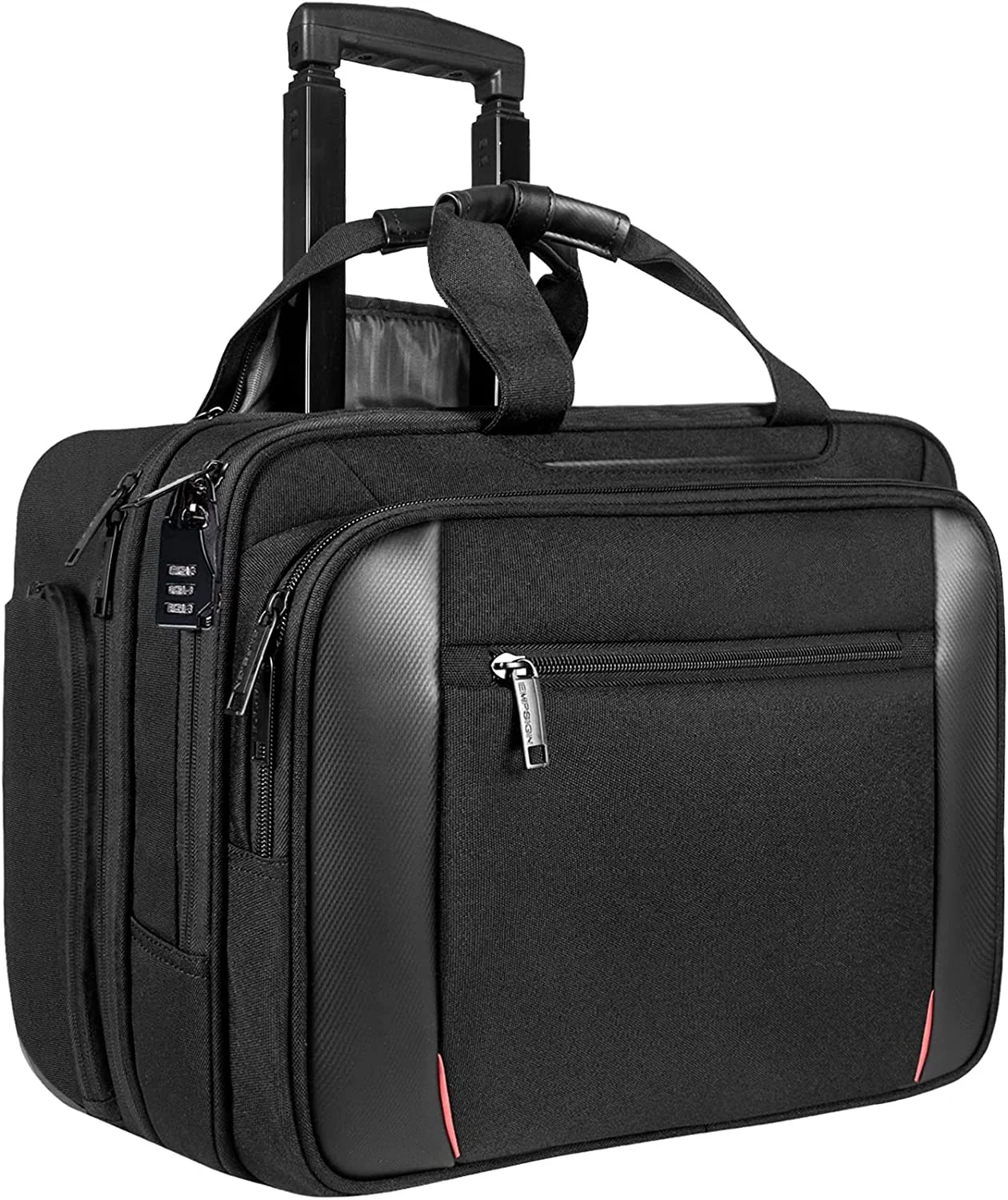
Answer first
How Fuzz Becomes a Pill
Surface friction can draw loose fibre ends out of a fabric. The raised fibres tangle into small balls, held to the surface by remaining fibres. A pill may later break off, so an appearance checked only at the end of a long test can miss an earlier peak in pilling.
Pilling describes this visible surface change. It is not the same observation as abrasion wearing material away or a snag pulling a yarn or loop out. Ask which issue matters for the intended bag area rather than using one result as proof of all three.
Why results differ
Structure and Contact Both Matter
The amount of free fibre at the surface, fibre length, yarn twist, fabric density and finishing can affect how readily fuzz forms. Once a pill forms, the strength of the fibres anchoring it can affect how long it stays visible. That is why a fibre described as strong is not automatically a low-pilling choice.
These are mechanisms, not a ranking of cotton, nylon, polyester or any other fibre family. A bag's panel, strap-contact area and handle area may experience different rubbing. Request the actual fabric swatch and discuss the contact area in the intended design before making an appearance requirement.
Review a sample
What a Buyer Should Check in a Pilling Result
- Match the material: identify the exact supplier fabric code, fibre and yarn description, construction, colour and finish. Keep the approved swatch with the tested specimen.
- Read the test context: record the test method, device, specimen preparation, rubbing conditions, number of cycles or duration, and the point at which appearance was rated. A pilling box, random-tumble test and Martindale setup do not give directly interchangeable results.
- Look at appearance, not just a number: pill size, surface fuzz and colour contrast can change what a rating means to a buyer. Ask for comparable photographs and the rating scale under consistent viewing conditions.
- Separate the questions: if wear-through, snagging or seam wear matters too, specify those as separate checks. A pilling grade alone does not answer them.
A useful request: “Please show the original and tested swatches of this exact bag fabric, with the method, conditions, cycle points, rating scale and photos. Can we compare the same fabric in the areas likely to rub in our bag design?”
This guide does not set a universal passing grade. Use the bag materials guide for the wider shell, lining and trim decision, and the sample guide for checking the completed bag.
Shape reference
Mark the Areas You Want to Review
The rolling briefcase reference shows a large front panel, carry handles and a trolley handle. Its photo helps locate areas to discuss in a proposed design. It does not show the fabric's fibre construction, a pilling test, an abrasion result or how a new order will perform.
For cleaning instructions after a material is chosen, see the care guide. Care guidance and a pilling test answer different questions; neither should be inferred from this product photo.
Source and limits
Where This Explanation Comes From
B. P. Saville, Physical Testing of Textiles (1999), Chapter 7, PDF pp. 204-213, describes fuzz formation, pill entanglement and detachment, appearance assessment and differing test methods. Its Chapter 1, PDF pp. 21-22, explains why test conditions can prevent direct comparison. Textiles, 6th edition (1988), Chapter 11, PDF p. 105, adds the role of free fibre ends and fabric structure. These older sources explain principles; they do not verify current test standards, a fixed acceptance grade or the performance of an AltusPack fabric or finished bag.