
 Custom bag partner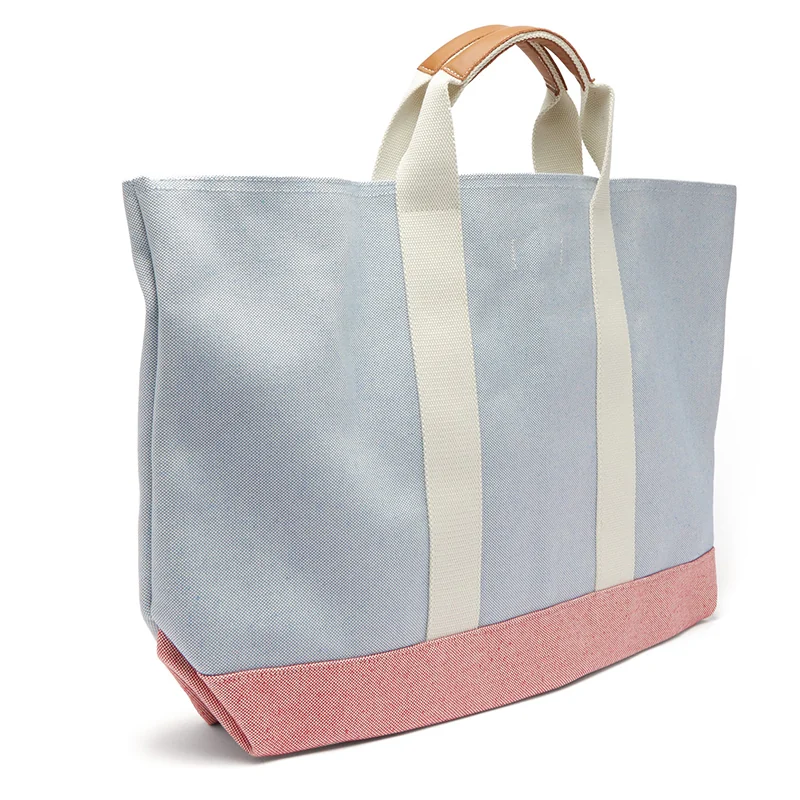
Answer first
Color Fastness Is a Result Under Stated Conditions
A useful fastness question names the exact material and color, then the exposure: dry or wet rubbing, light, water, cleaning or another condition relevant to the bag. It also names what is being judged. Color change is a change to the tested material itself; staining is color found on an adjacent or contact surface. One result cannot stand in for every color, finish or exposure.
For a bag, the outer body may rub against clothing, a handle against the hand, a shoulder strap against a shirt and a lining against the contents. Start with those real contact points rather than asking for a single undefined “colorfast” grade. Our materials guide covers the wider fabric brief; this page explains the color question in more detail.
What changes
Fading Is Different from Color Transfer
Fading is a visible change in the bag material's own shade after an exposure such as light or care. Transfer is color moving to something else. Under rubbing, a test can compare the material with a light-colored rubbing cloth; dry and pre-wetted cloths represent different conditions and can give different results. Do not infer low transfer just because the original fabric still looks dark.
Water-related color loss, rubbing transfer and migration into a neighbouring area are also different descriptions. If a buyer reports a mark, record where it appeared, what touched the bag, whether the surfaces were dry or wet and what happened before the mark. That description helps select a relevant check; it does not diagnose the cause from a photograph.
Choose the exposure
Dry, Wet and Light Results Answer Different Questions
Dry and wet rubbing: consider body panels, handles and straps that touch hands or clothing. Specify whether the rubbing surface is dry or damp and whether the report records staining on the contact cloth as well as color change on the bag material.
Light exposure: ask how the relevant shade changes under the agreed light conditions. Lamp, filtering, sample temperature and humidity can affect the result; equal hours under different setups do not automatically mean equivalent exposure. A good rubbing result does not establish a light result, and vice versa.
Water and care: decide whether rain, perspiration, cleaning or washing is relevant to the intended use and approved care instructions. A method for one exposure does not prove behavior under all others. Agree on the current applicable method and acceptance criteria for the actual project instead of importing a grade or procedure from an older book.
Before approval
What to Ask for With a Color Sample
- Identify the exact sample: record material, color reference, finish, component location and sample or production batch. A result for another shade or finish is not automatically transferable.
- Map contact and exposure: mark the bag body, handle, shoulder strap or lining areas likely to touch clothes, skin or contents. State dry/wet use, light exposure and permitted care.
- Separate the reported outcomes: ask for the method and conditions used, then the material's color-change result and any staining or transfer result on the contact material. Keep the original report with the approved swatch.
- Review the finished sample: check visible shade matching and contact areas on the assembled bag. If a performance claim is needed, define its acceptance criteria and testing plan before approval; appearance alone is not a fastness test.
A useful request: “Please test this exact color and finish for the contact and care conditions in our brief. Show the color-change and staining results separately, with the method used, before we approve the sample.”
See the lining guide for interior contact questions and the sample guide for approval of the assembled bag.
Visual reference
Use a Photo to Mark Contact Areas
The multi-color beach tote reference shows a blue body, cream handles and pink base. It can help point to areas that may touch hands, clothing or another part of the bag. The photograph cannot show how any of those colors were applied, whether they transfer, how they respond to light or what test result a future order would achieve.
Sources and limits
Where the Test Distinctions Come From
B. P. Saville, Physical Testing of Textiles (1999), Chapter 9, PDF pp. 262, 265-268 and 273, separates fastness exposures, describes dry and wet rubbing with a contact cloth, and explains why light-test conditions matter. Textiles, 6th edition (1988), Chapter 36, PDF pp. 346 and 355, distinguishes use factors and color loss through water, rubbing or migration. These historical sources explain the concepts; their procedures and numbers are not presented as current universal standards. They do not verify any AltusPack product, color grade, future batch or finished-bag performance. Use a current, agreed method and the exact proposed material for a project decision.