
 Custom bag partner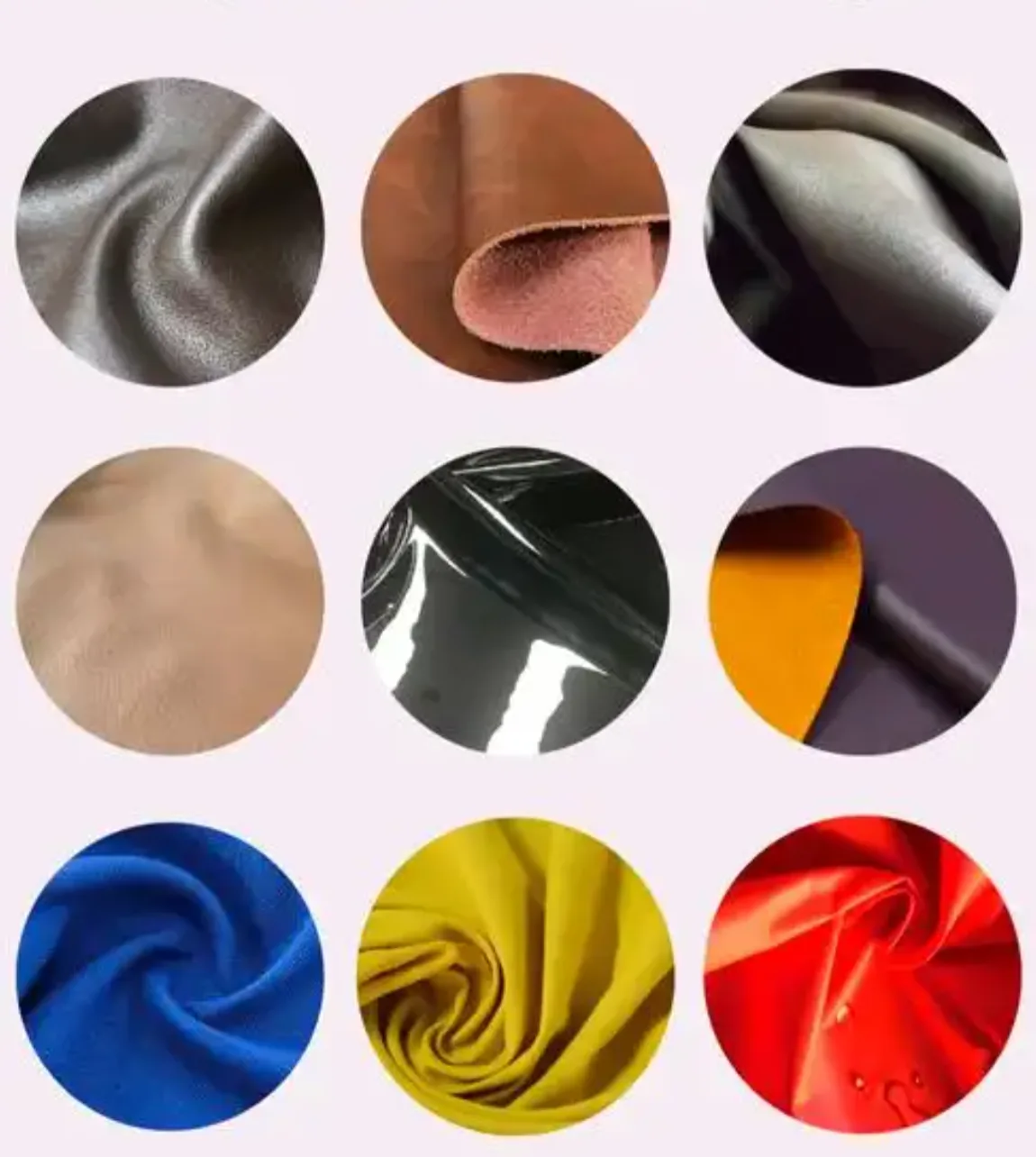
Answer first
PUL Is a Textile and Polyurethane Layer System
Fabric suppliers use PUL for polyurethane laminate. In a common two-layer form, a textile base is bonded to a polyurethane film. Some suppliers also offer a three-layer arrangement with textile on both sides of the film. The textile may differ from one supplier to another, so “PUL” alone does not tell you the fibre, knit or weave, film specification, total weight or which face will be visible in your bag.
This is narrower than “laminated fabric,” which could refer to other materials, and different from treating every PU-coated surface as PUL. The historical textile references explain that film lamination, calendering and fluid coating are different ways to combine a polymer with fabric. Ask the supplier which construction is actually quoted. Our material guide covers the broader choice of shell, backing and lining.
Read the stack
Which Layers Are Present?
Textile base
Request the actual fibre content and construction of the fabric bonded to the polyurethane layer. A supplier example may use polyester knit; that does not make every PUL fabric polyester knit.
Polyurethane layer
Ask whether it is a preformed film and which side it is on. Request the supplier's material identification and stated thickness or weight with units. Do not substitute the word “PU” for a layer drawing.
Second textile face
If the proposal is a sandwich construction, confirm the identity of both textiles and which side will face the bag interior. A two-layer photo cannot prove that a third layer is absent elsewhere.
Finished bag
Cut edges, stitch holes, seams, zippers and care instructions still need their own review. A supplied PUL swatch does not establish water resistance, washability or compliance for the assembled bag.
PU and PVC name different polymer families. Saunders discusses both as bag-material options, but its general descriptions do not identify a current supplier formulation or justify environmental, chemical or safety claims. A current supplier declaration and relevant test report are needed for any such claim.
Before sampling
A Useful PUL Material Request
- Identify the exact material: supplier, product code, textile fibre and construction, polyurethane layer, layer count, lamination method and which side is intended to face outward.
- Record measurable fields: total fabric weight and usable width, film thickness or other supplied layer measure, color, finish and batch or sample reference. Keep each unit attached to its field.
- Show the bag application: mark the panel or lining location, joins, exposed edges, bends, logo method and expected cleaning situation on a drawing or reference style.
- Agree evidence for claims: if you need resistance to water, abrasion, repeated flexing or laundering, define the sample and test method for the exact material and assembled bag before approving copy.
A useful message to send: “Please identify the textile and polyurethane layers in this PUL proposal, show which side faces the bag interior, and provide a matching swatch and data sheet. We will review the panel, seam and care requirements on the proposed sample.”
For a finished-bag water claim, continue with our water-resistance guide. For cleaning wording, check the care guide and the actual product instructions.
Apply this guide to a catalog style
Ask Which Panel Would Use the Material
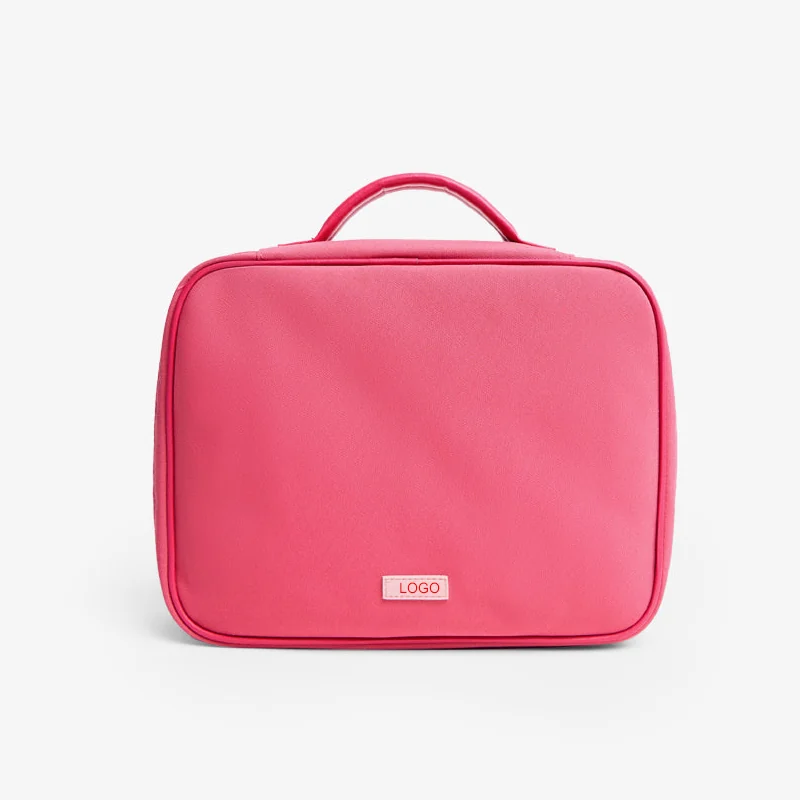
AltusPack catalog style · AP-COS-318
Custom Cosmetic Case
What the photo shows: A closed case with a front panel, edge outline and top handle.
How to use this example: If this format interests you, mark the panel or lining where you are considering a laminated material. Ask for a cross-section and swatch of the exact proposal before discussing edge finishing and care.
Evidence limit: This image does not show a layer stack and does not verify that this case contains PUL, any barrier, test result or care method.
Sources and limits
What Supports This Definition
Wazoodle Fabrics directly expands PUL as polyurethane laminate and describes its own two- and three-layer variants. Nature's Fabrics' 2026 PUL explanation also identifies a textile base with a polyurethane layer. These supplier descriptions establish the term and examples of construction, not a universal layer specification.
Textiles, 6th ed. (1988), Chapter 30, PDF pp. 289–290, explains film support and distinguishes lamination, calendering and fluid coating. Ann Saunders, Design, Manufacture and Sell Your Bag Collection (first published 2024), Chapter 6, PDF pp. 136–139, discusses PU and PVC as different bag-material families. The sample questions are AltusPack editorial guidance. None of these sources verifies an AltusPack product's PUL composition, waterproofness, breathability, washability, chemical status or environmental impact.