
 Custom bag partner
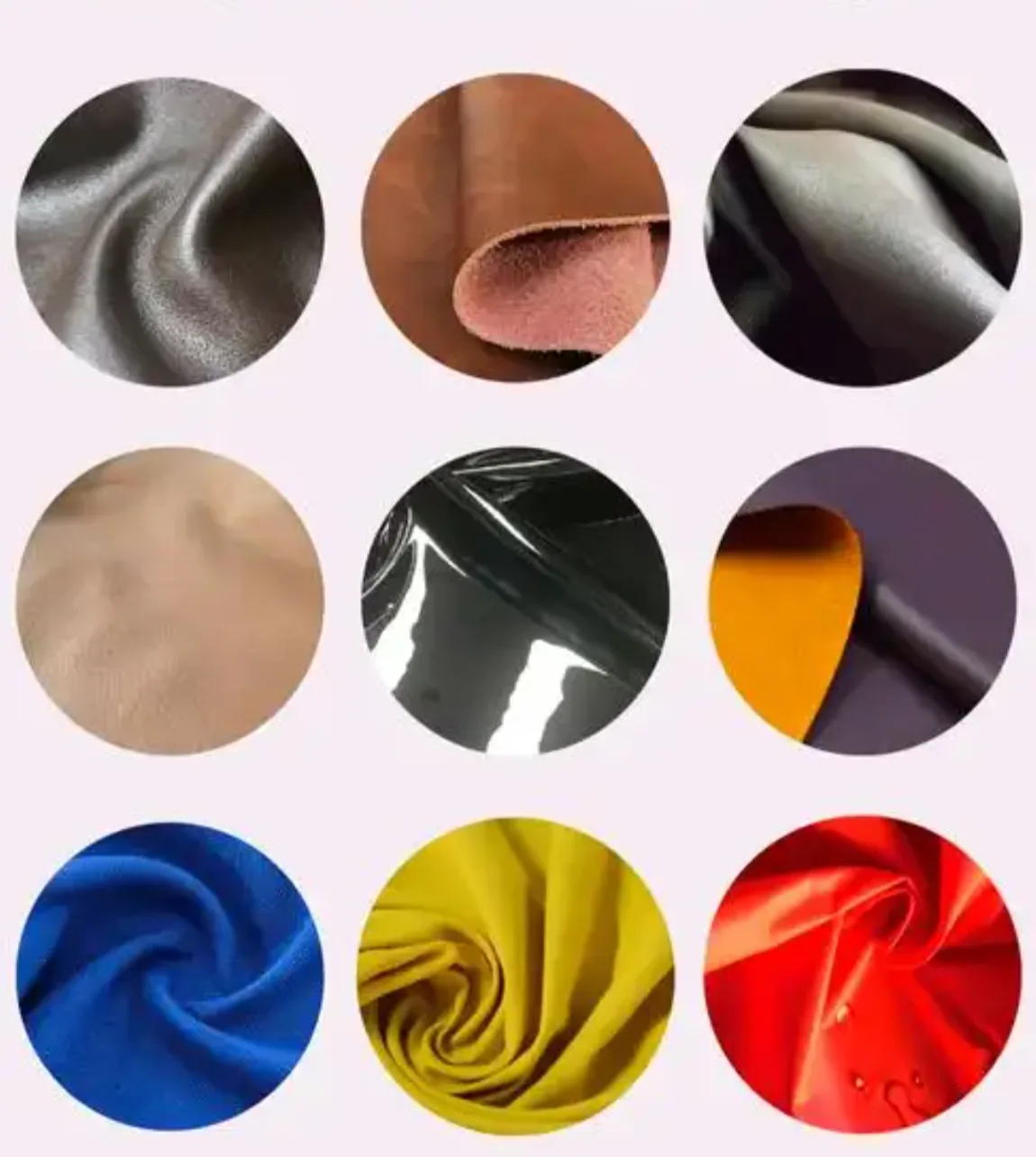
Answer first
Choose the Lining by Its Job Inside the Bag
Start with the contents, pocket layout and cleaning situation, not the shell color alone. A lining can support internal pockets, separate contents from the shell, conceal internal construction and create a visual contrast. Those roles may point to different questions for a cosmetic case, backpack, tote or travel bag.
A material name or product photo does not prove that a lining will resist abrasion, staining, liquid exposure or color transfer. Keep those needs as sample and specification questions.
Useful first message: describe what goes inside the bag, whether there are fixed pockets or dividers, how the interior may be cleaned, and what look or hand feel matters.
Interior use
Turn the Interior Use Into Questions
Pockets and organization
State which pockets need to hold shape, which are flexible, and where seams or edges should be hidden. That gives the sampler a clearer basis than “add lining”.
Contents and friction
Describe whether the bag will carry cosmetics, small accessories, devices, clothing or other items that move against the interior. Do not assume a lining material solves wear or spill risk without a project review.
Cleaning context
Say whether the interior may face ordinary dry goods, damp items or products that can mark the surface. Confirm any care direction for the exact finished bag rather than borrowing one from another material.
Look and hand
Color, print, sheen and hand feel can be part of the brief, but they should be reviewed alongside the pocket and construction requirements.
Before sampling
What to Put in the Lining Brief
- Shell material direction and the proposed lining material or swatch.
- Interior contents, pocket map, divider or organizer needs.
- Color, print, surface and hand-feel reference.
- Cleaning context and any claim or test requirement.
- Which details are fixed and which need sampler advice.
Use the broader material guide to compare the full material system, and the brief guide to place lining decisions in the wider sample request.
Apply this guide to a catalog style
Map the surfaces inside an open backpack
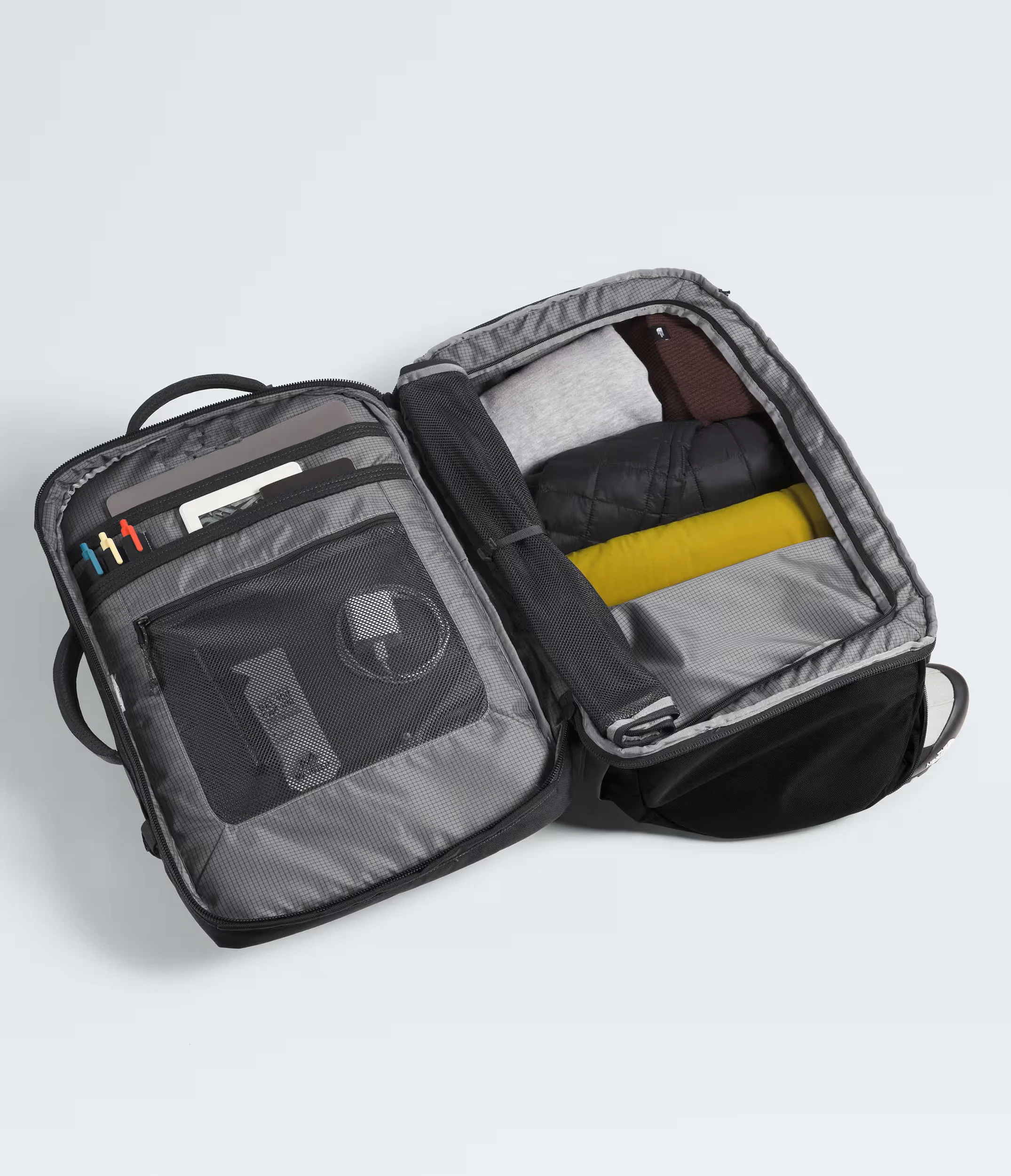
AltusPack catalog style · AP-R3-041
Custom Business Laptop Backpack with Multi-Pocket Layout
What the photo shows: The open clamshell photo shows a gray inner surface, organizer pockets and a mesh pocket.
How to use this example: Mark which surface touches each intended item, which pockets need structure, and which edges you want covered. Ask for the proposed lining swatch and an opened sample of your own design before choosing a lining.
Evidence limit: The photo identifies interior locations; it does not identify the lining fibre, coating or cleaning performance.
Evidence boundary
What This Guide Cannot Confirm
This guide is based on a lining's functional role in bag construction. It does not confirm a particular fabric, coating, cleaning result, abrasion result, barrier result or finished-bag performance for any AltusPack product. Confirm the exact lining, construction and any required test plan on the intended sample.